Lincoln Nebraska Do you need Omaha Organics lawn care products or services in Lincoln Nebraska? You are in luck. Omaha Organics now offers all services and products in Lincoln Nebraska and surrounding areas. You may have seen our trucks, trailers and technicians in Lincoln last season. Omaha Organics was proud to partner with Mike’s Organic […]
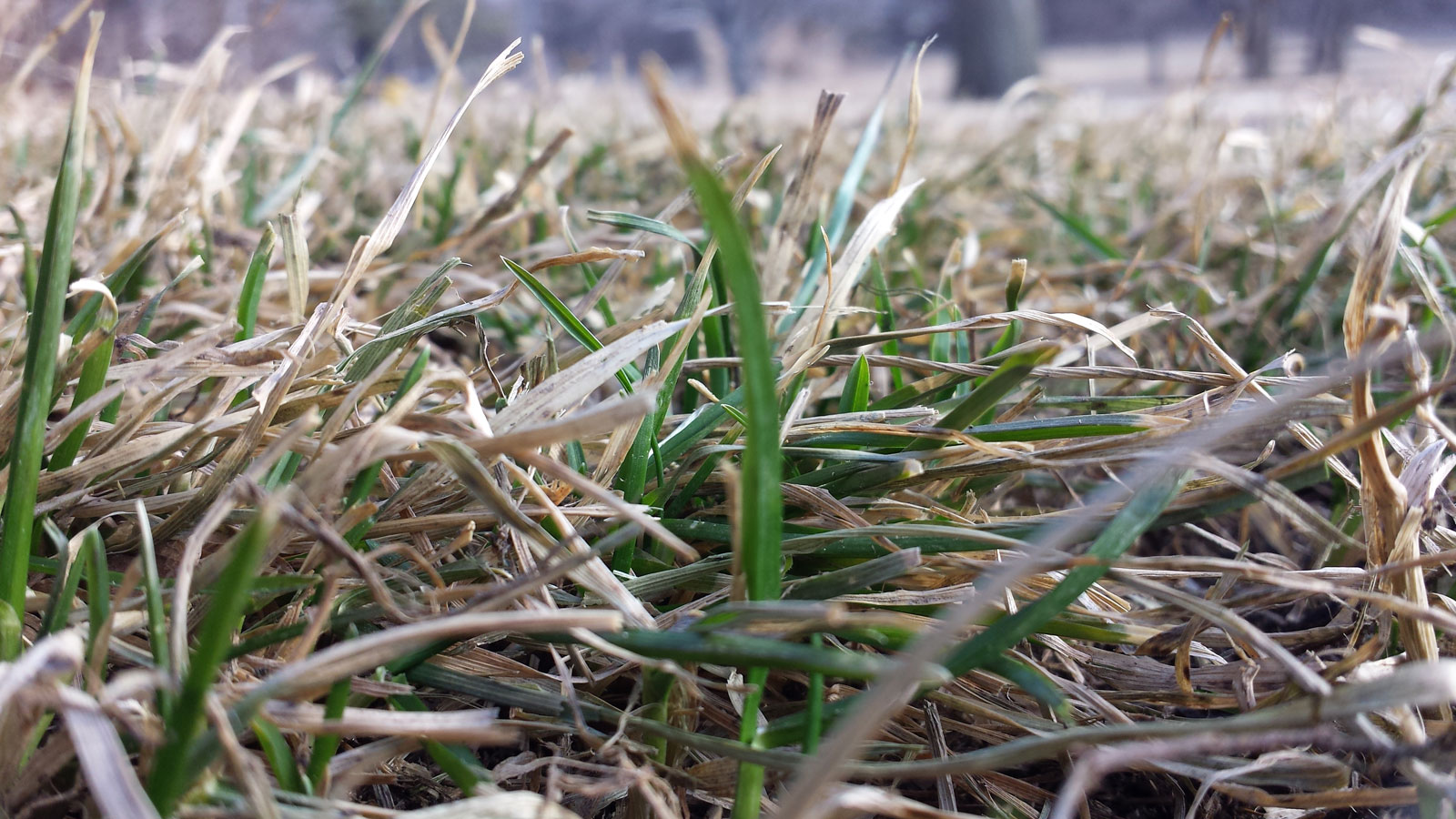
Spring Spring weather is approaching and turf is being forced out of dormancy. Raking, mowing and bagging the first mowing will remove some of the dead grass blades that make the lawn look dormant.  It also allows sunlight to warm the soil which speeds up new green growth. But resist that temptation to mow too […]

Natural Organics What is natural? What is organic? What is natural organics? There’s a lot of buzz going around Omaha lawn companies trying to capitalize on the organic movement.  A handful of companies and suppliers are now offering a “natural organic” program. What they may not tell you is that many of those products still […]

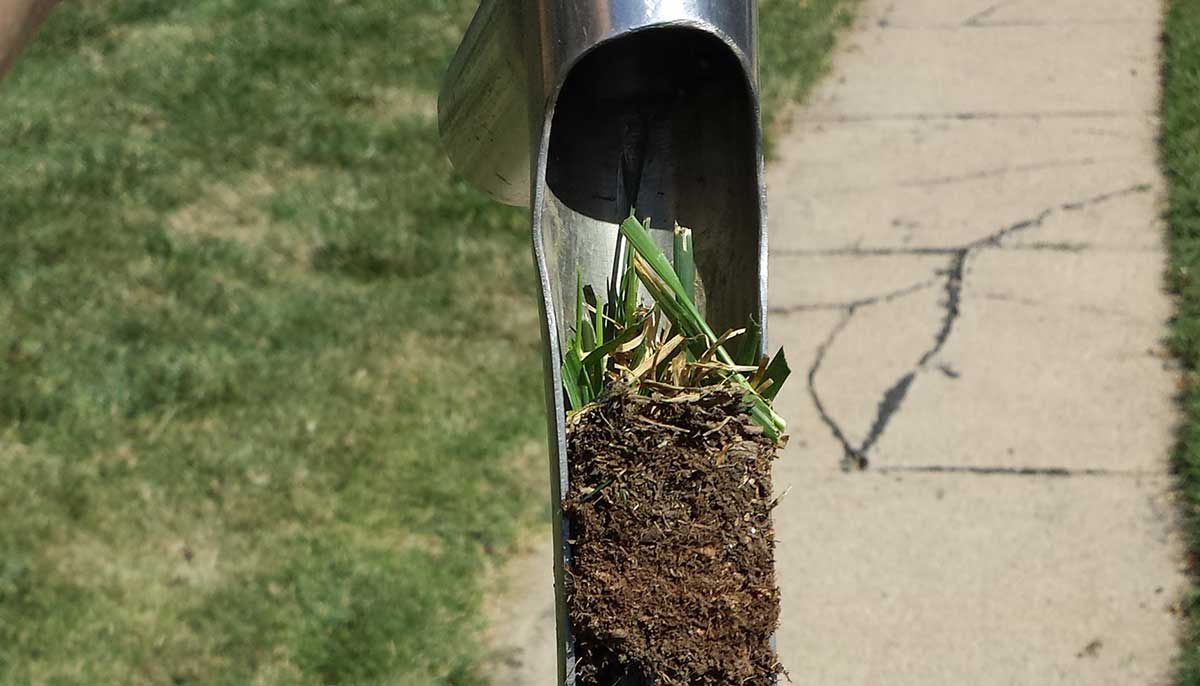
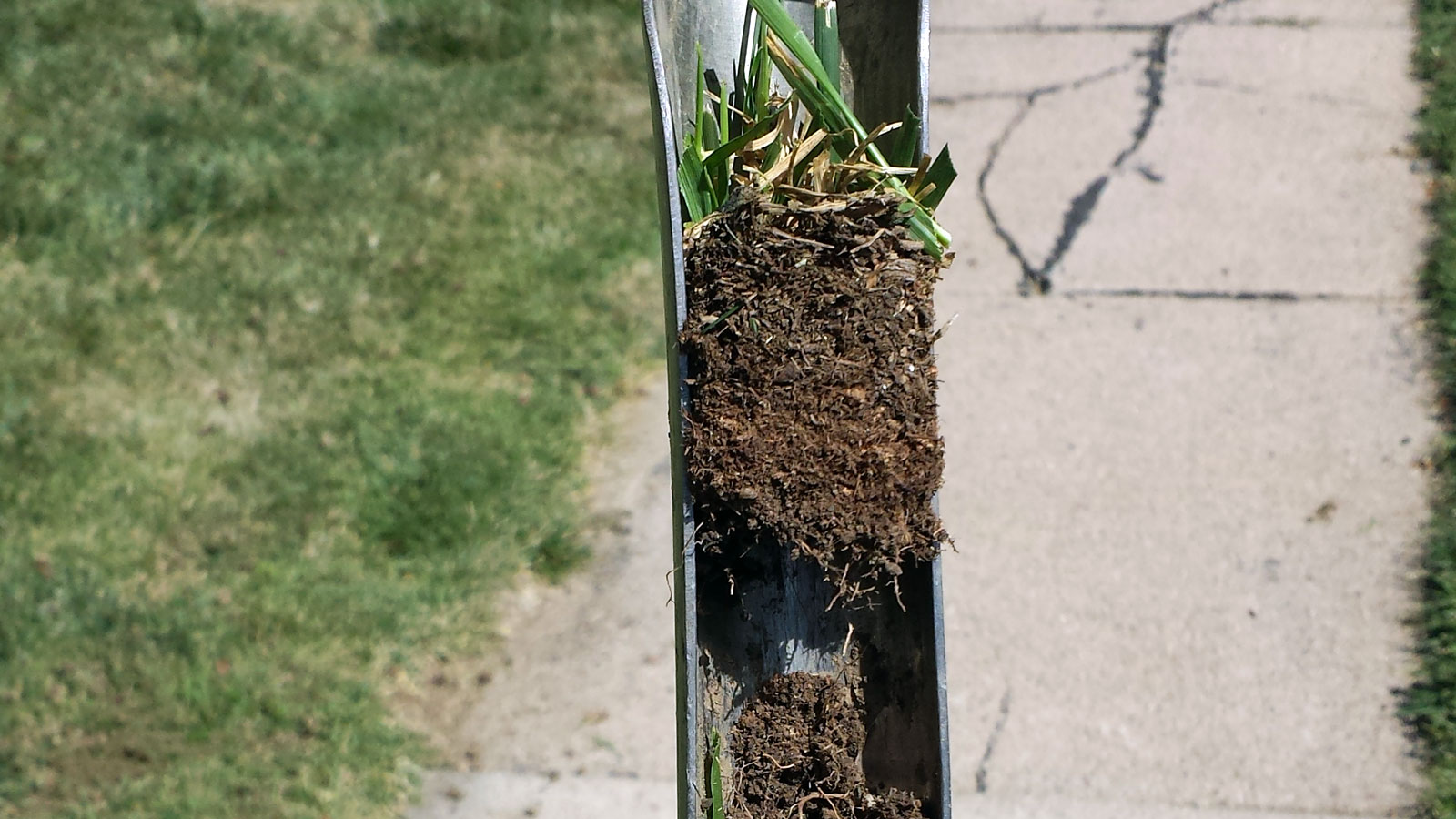
Soil Testing The key to a beautiful lawn is having a healthy, well balanced soil that supports a thick and strong turf stand. Omaha Organics will start with an advanced soil test that will measure the chemical structure of the soil. Healthy grass begins with healthy soil. Healthy soil has a proper nutrient balance consisting […]

Winter Watering Winter watering? It may seem like taking care of your lawn is a summer activity, but there are things you should do to keep your lawn healthy even when it seems lifeless over the winter. Winter can be extremely dry, causing plants to suffer from dehydration the same way they can in a […]

2019 Pet Fest Were excited to attend the 2nd annual Catered Bowl Pet Fest at Stinson Park in Aksarben Village on Saturday, June 29thfrom 9am-Noon. This event is presented by Summit Media Omaha. This one day event will be all about pets. Bring out your furry, feathered, or scaled friends for a day of fun! All pets […]

Earth Day Omaha April 13, 2019 at Elmwood Park Earth Day Omaha 2019 will be celebrating its 29rd Annual Earth Day on Saturday, April 13, 2019 at Elmwood Park located at 802 S. 60th Street. Earth day Omaha will feature ecological minded exhibitors, children’s activities, demonstrations, short speaker sessions, live music from local bands, and […]

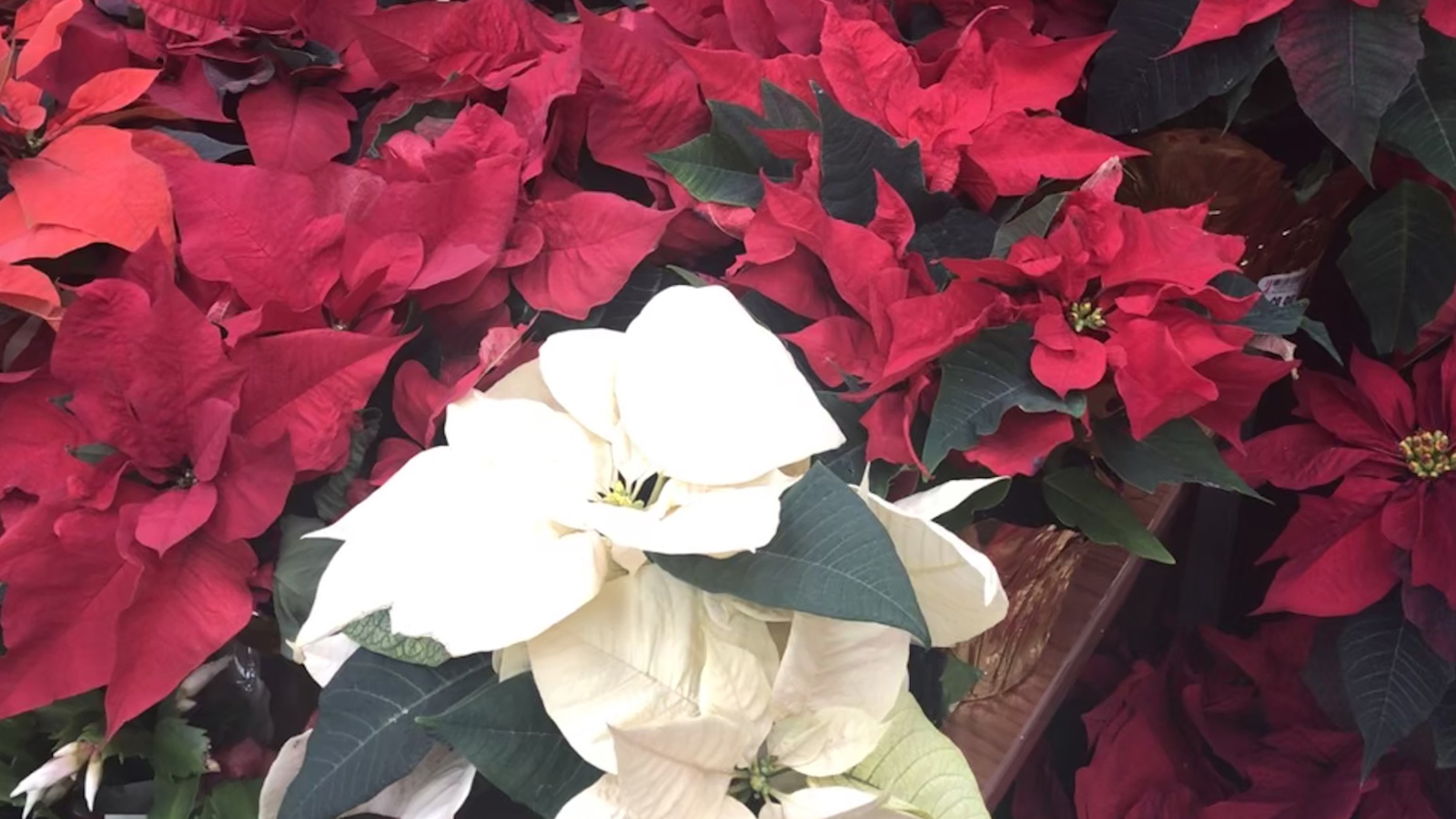
Poinsettia Beauty is all around us at Christmastime. We decorate with lights, large pine trees, tinsel, and of course, the beautiful poinsettia. These plants not only bring beauty to our homes, but also a little bit of history. In this blog, we will tell you how to pick the perfect poinsettia for you holiday décor […]

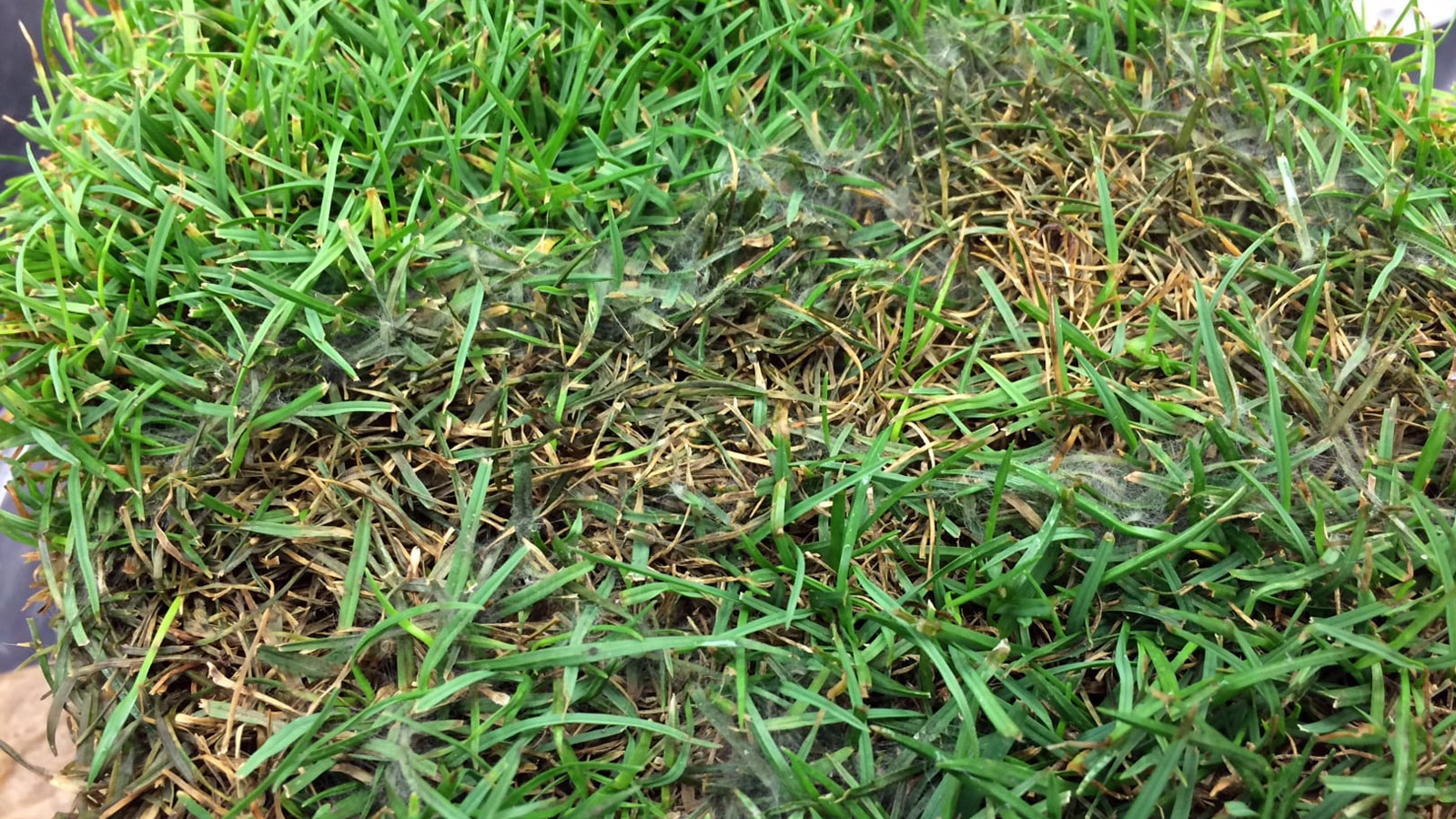
Snow Molds Principle snow molds of the central and northern Plains are Microdochium patch (pink snow mold) and Typhula blight (gray snow mold). Other snow molds, such as sclerotinia patch, also may occur in certain areas. Microdochium patch, caused by Microdochium nivale, can injure turf any time from mid-October to April during prolonged cool, wet […]

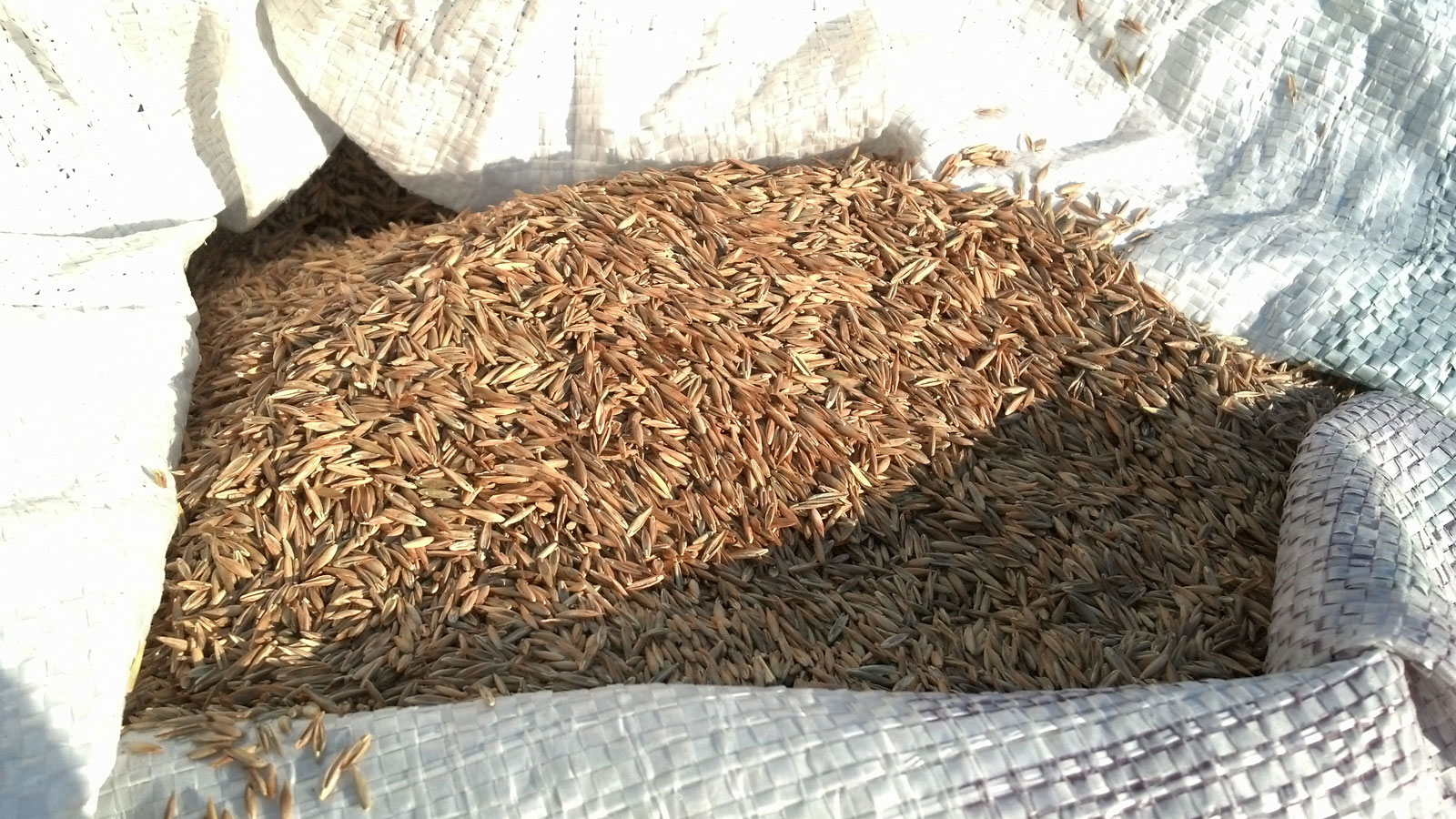
Dormant Seeding Omaha Organics Lawn Care is now scheduling dormant seeding. Dormant seeding is the 2nd best time of the year for establishing cool-season grasses. Seeding can be done any time after soil temperatures are 40F in order to guarantee no germination until next spring. Seeding between Thanksgiving and St. Patricks’ Day is a good rule […]

Cool Season Grass Weeds In the previous blog, Types of Turfgrass Weeds, we told you that grasses have leaves with veins that turn parallel to each other and are two-ranked. We also classify these grass weeds by season; cool season and warm season. Here we share with you examples of cool season grass weeds and how to tell […]

Thatch Thatch is located between green vegetation and the soil surface. It consists of a layer of dead and decaying turfgrass tissues derived from leaves, shoots, and roots not from grass that is not bagged. Thatch accumulates when the rate of turfgrass organic matter productions exceeds its rate of decomposition. Small amounts (less than ½ inch) […]

Rust Rust diseases, caused primarily by Puccinia spp., occur on all commonly grown turf-grasses. Like the mildews and smuts, these fungi are highly specialized as to host preference. Two of the more common turfgrass rusts are P. graminis, causing stem rust on Kentucky bluegrass, and P. coronate, causing crown rust on ryegrass and tall fescue. The […]

Temperature Induced Injury Although ambient temperature is a factor of weather patterns, turf canopy temperature is often a factor of management practices. The detrimental effects of temperature depend on the physiology of the turf at the time of a temperature extreme. Fortunately, environmental fluctuations typically occur gradually and allow for an acclimation or adaptation period […]

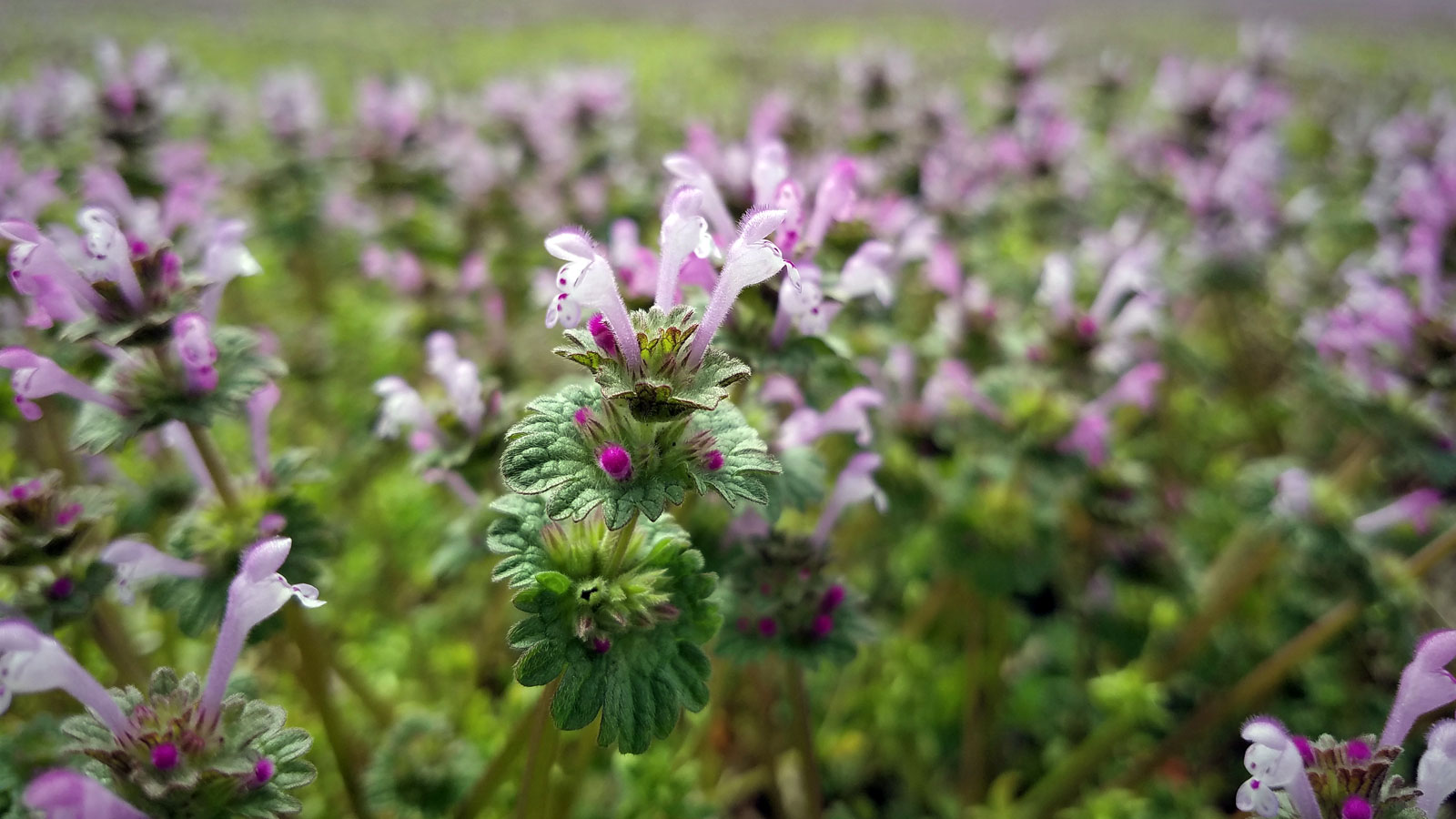
Henbit When it comes to wintery lawn pests, henbit is one of the most commonly faced culprits. Henbit (Lamium amplexicaule) is an annual forb in Nebraska. It is a member of the mint family and is often confused with ground ivy. It is generally a problem in newly seeded turfs established in the fall. Henbit has a […]

Soil Related Problems Turf near building sites and high traffic areas may suffer from problems not always obvious to the eye. Shallow soil and compaction result in improper root functioning or root growth being restricted. The end result is increased sensitivity to environmental fluctuations. Shallow Soils When soil depth is reduced by some form of […]

Slime Molds Slime molds are primitive organism that exhibit characteristics of both plants and animals, although they are considered fungi. Numerous species of slime mold occur on turf; the most common is Physarum cinereum. Slime molds are not pathogens and cause little more than some yellowing. Slime molds grow on the surface of leaves and […]

Water Injury The proper balance of water needed for healthy turf is critical; an improper balance of water in a turf ecosystem can result in both biotic and abiotic problems. There are two examples of water injury; flood or standing water and drought injury. We will focus on drought injury. The first step is to […]

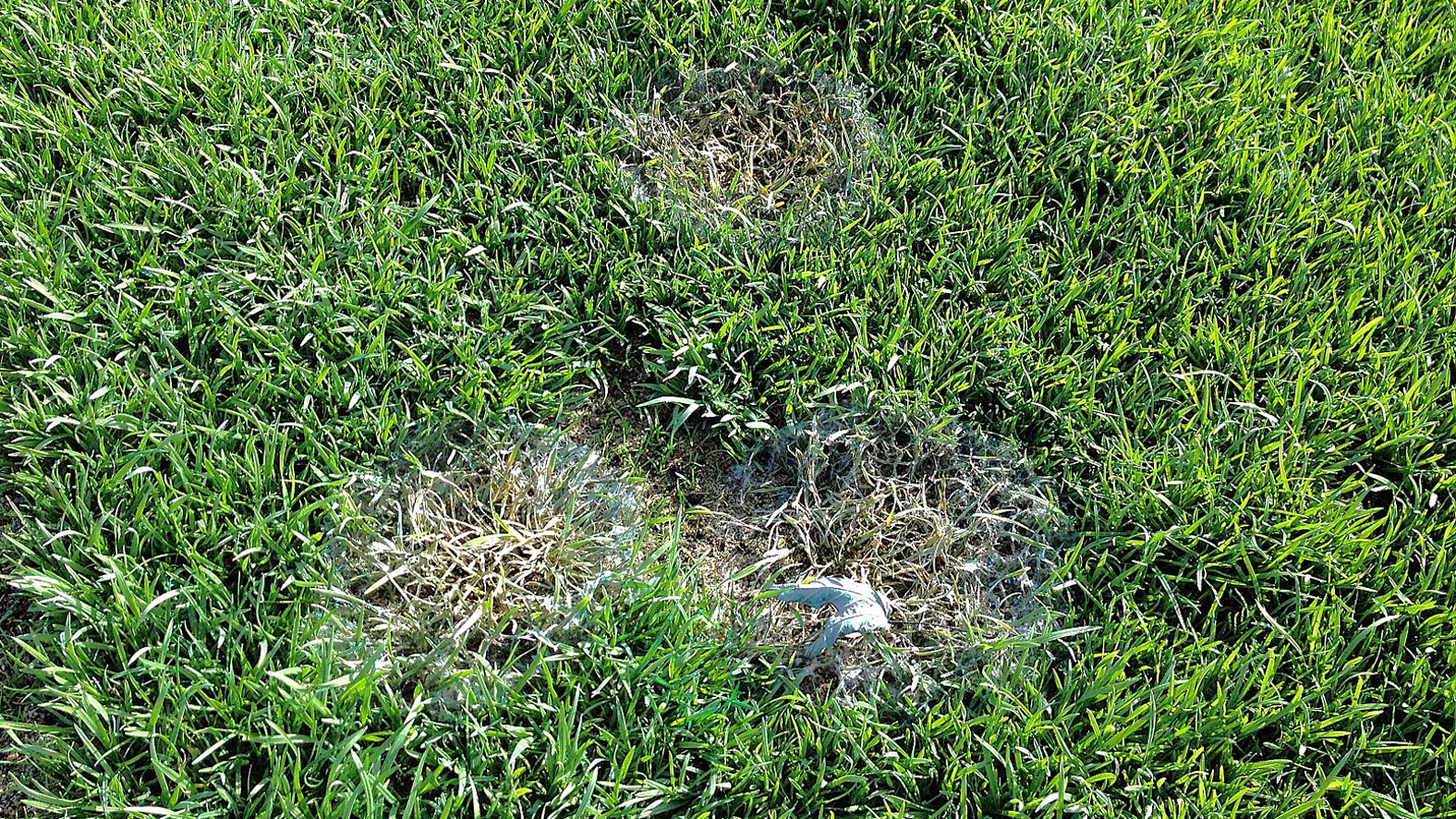
Pythium Blight Pythium blight, sometimes called “grease spot” or “cottony blight,” is no longer only a disease of golf courses; it is becoming a problem in home lawns and other turfs. Pythium blight is cause by several species of Phythium fungi; however, the two most commonly associated with the disease are Phythium aphanidermatum and P. […]

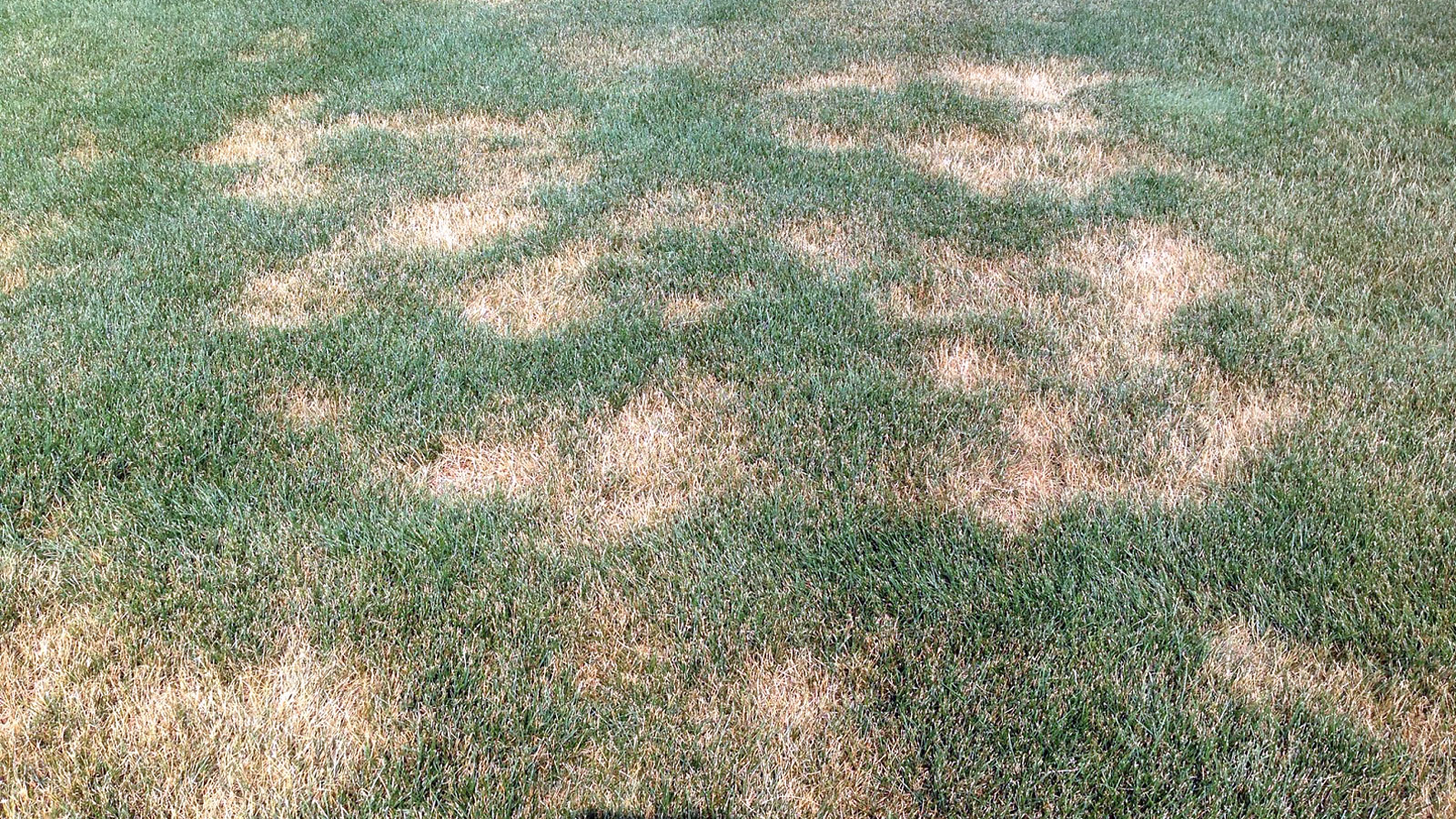
Necrotic Ring Spot and Summer Patch Two of the most destructive patch diseases of turfgrass are necrotic ring spot, caused by Leptosphaeria korrae, and summer patch, cause by Magnaporthe poae. Necrotic ring spot generally occurs on Kentucky bluegrass during spring and fall. Summer patch occurs during the hot portion of the summer. Necrotic ring spot most commonly […]

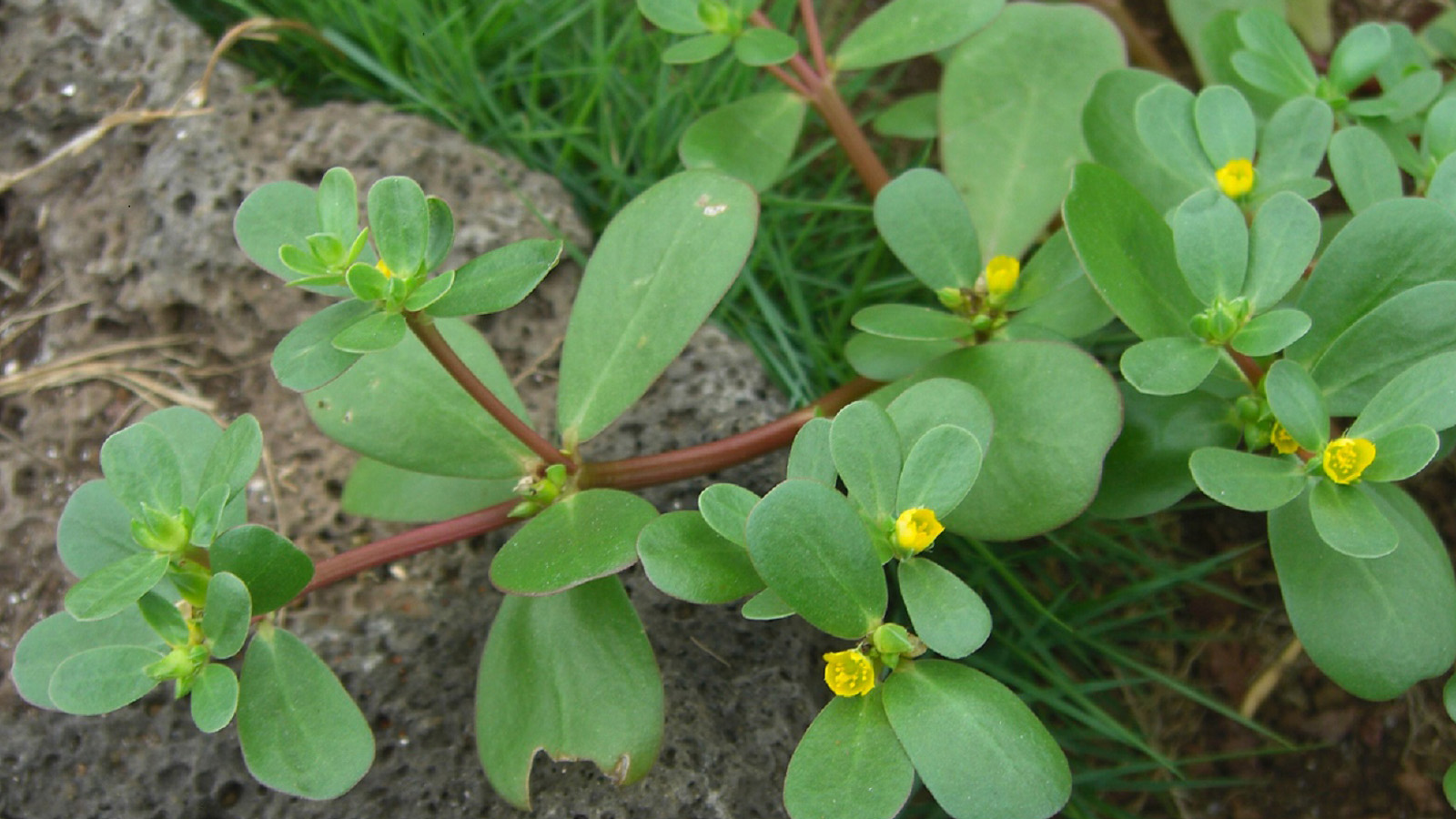
Purslane Purslane or Portulaca oleracea is an annual succulent that is one of the most common species of weeds in the world. They look like a tangled wild mess of reddish stems and dark green leaves that grow in all directions. This plant is also referred to as duckweed, fatweed, pigweed, and pursley. This succulent […]

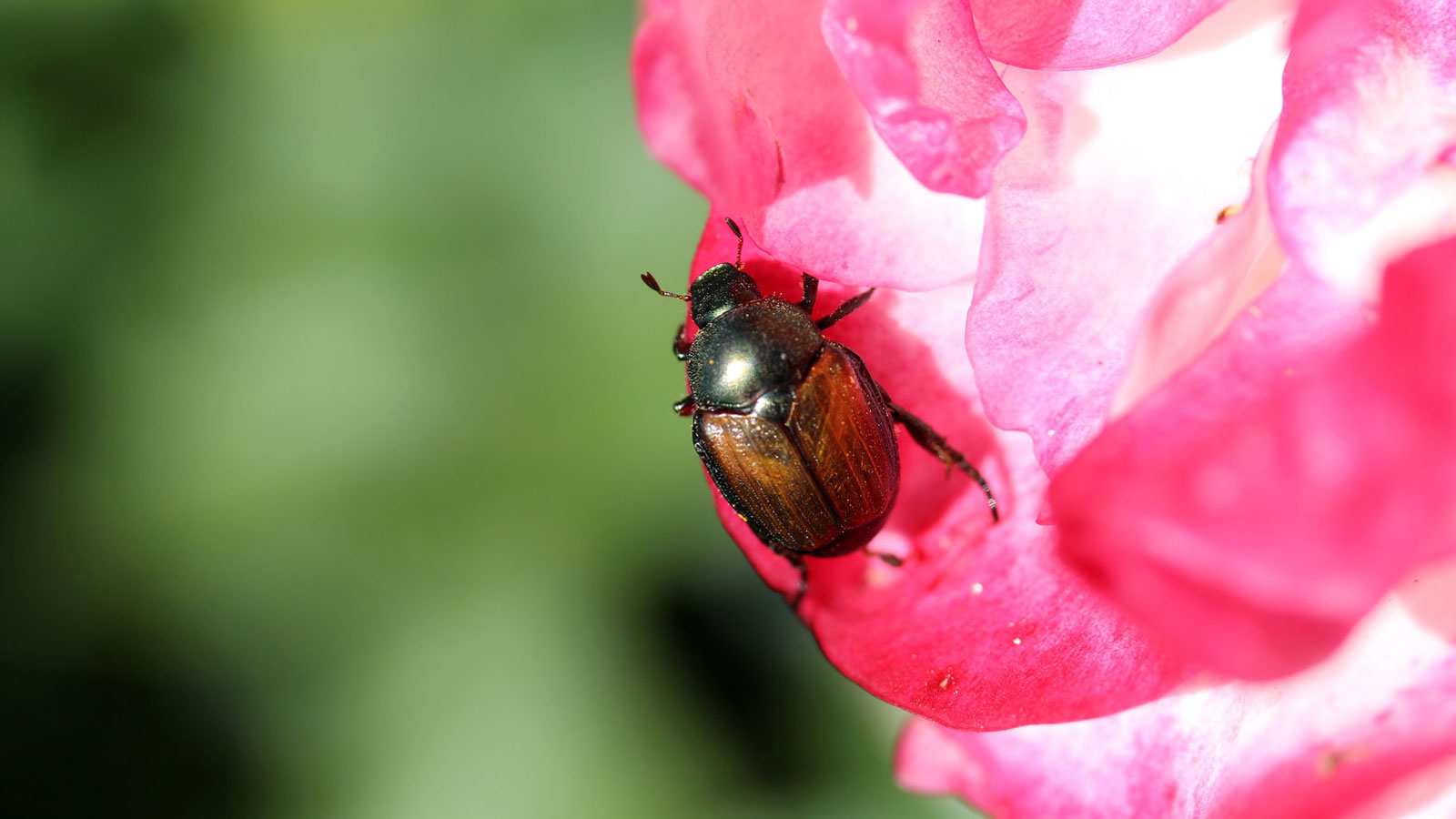
Japanese Beetle The Japanese beetle is a common species of beetle originating in Japan. They were introduced to the United States in 1916, after being accidentally brought into New Jersey. Unlike Japan, where Japanese beetles have natural predators, in the US they tend to feed off of whatever plants they wish. Adults emerge in June, […]

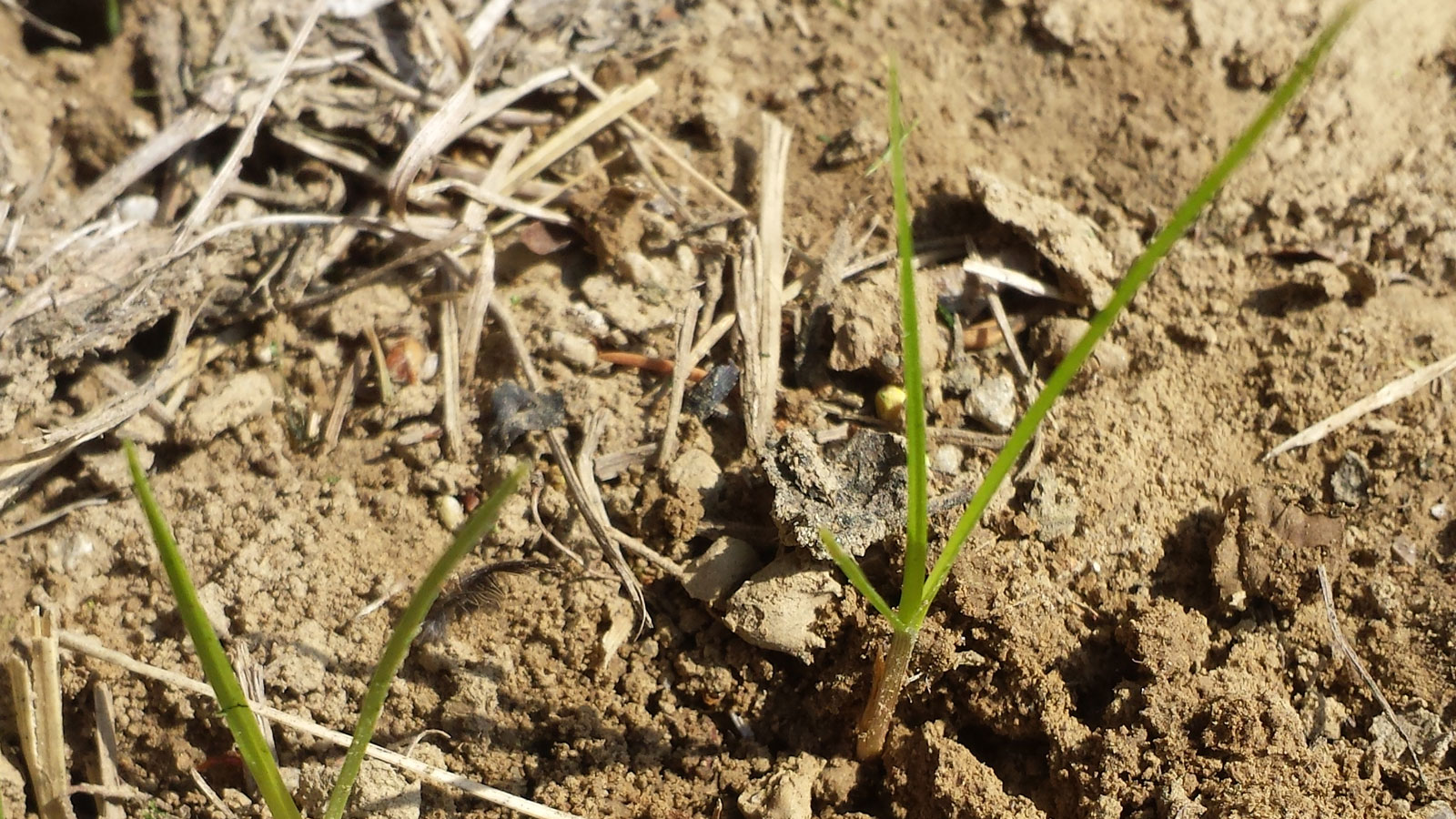
Yellow Nutsedge Yellow nutsedge has been spotted in Omaha as of April 21, 2018, about a month earlier then normal.  Nutsedge (Cyperus esculentus) is a common, persistent, and troublesome weed in lawns and landscapes in Nebraska. This is especially true from Kearney (NE) east into Iowa. Yellow nutsedge is a problem in lawns because of […]

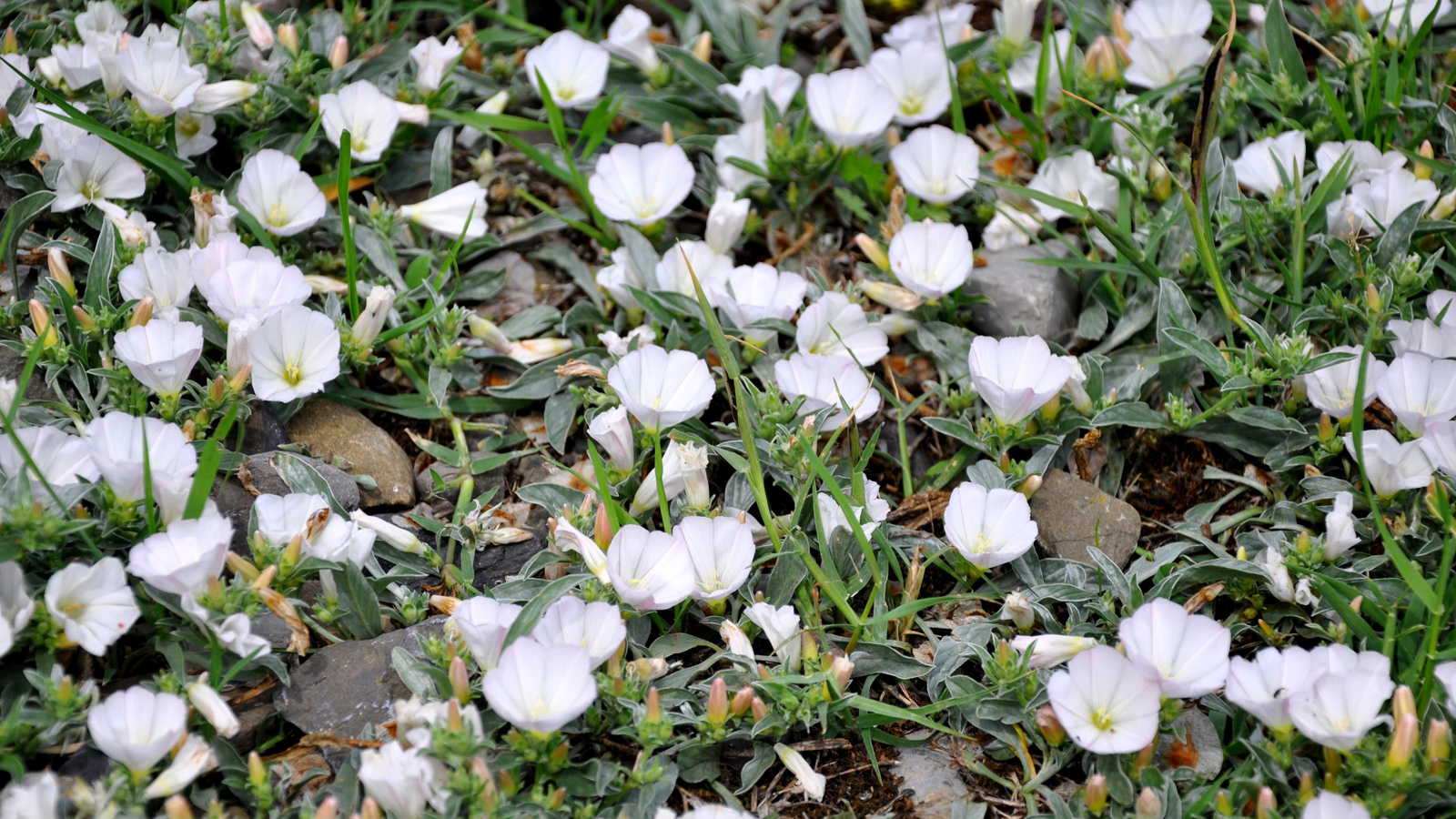
Bindweed Of all the weeds we have discussed on this blog, perhaps the most difficult to get rid of is bindweed. You might recognize bindweed (also known as creeping jenny) from roadside ditches, where morning-glory-like light pink trumpet-shaped flowers spread with climbing vines. When mature, the vines sport arrowhead-shaped leaves. Bindweed starts low to the […]

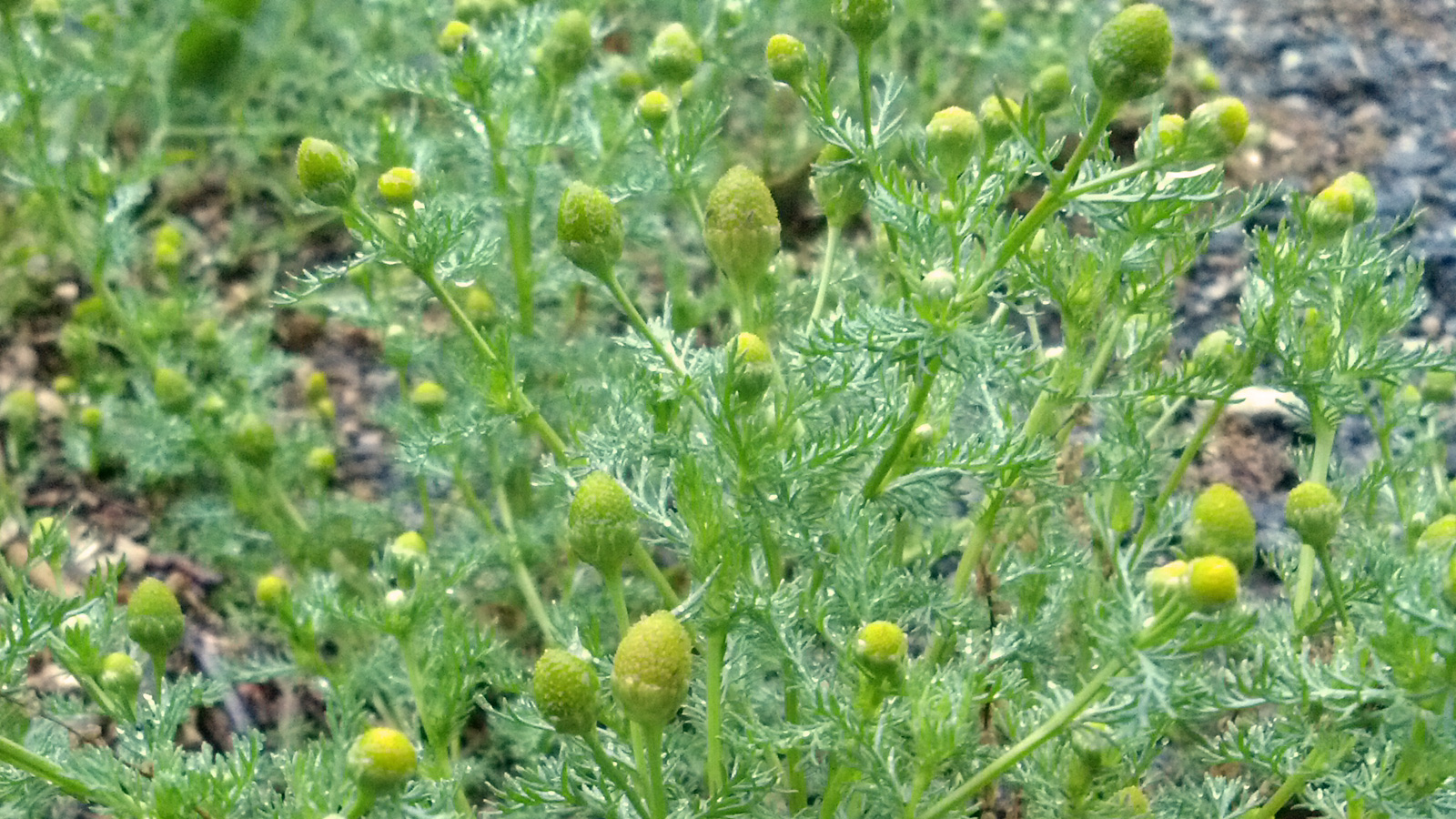
Pineappleweed During the hot month of June, you may notice a new weed flowering. You will find them in the cracks of your sidewalk, driveway, garden, or lawn. Pineappleweed is a plant with small egg-shaped yellow flowers that kind of look like pineapples. The plant’s leaves also smell like pineapples when crushed, so it isn’t hard to guess […]