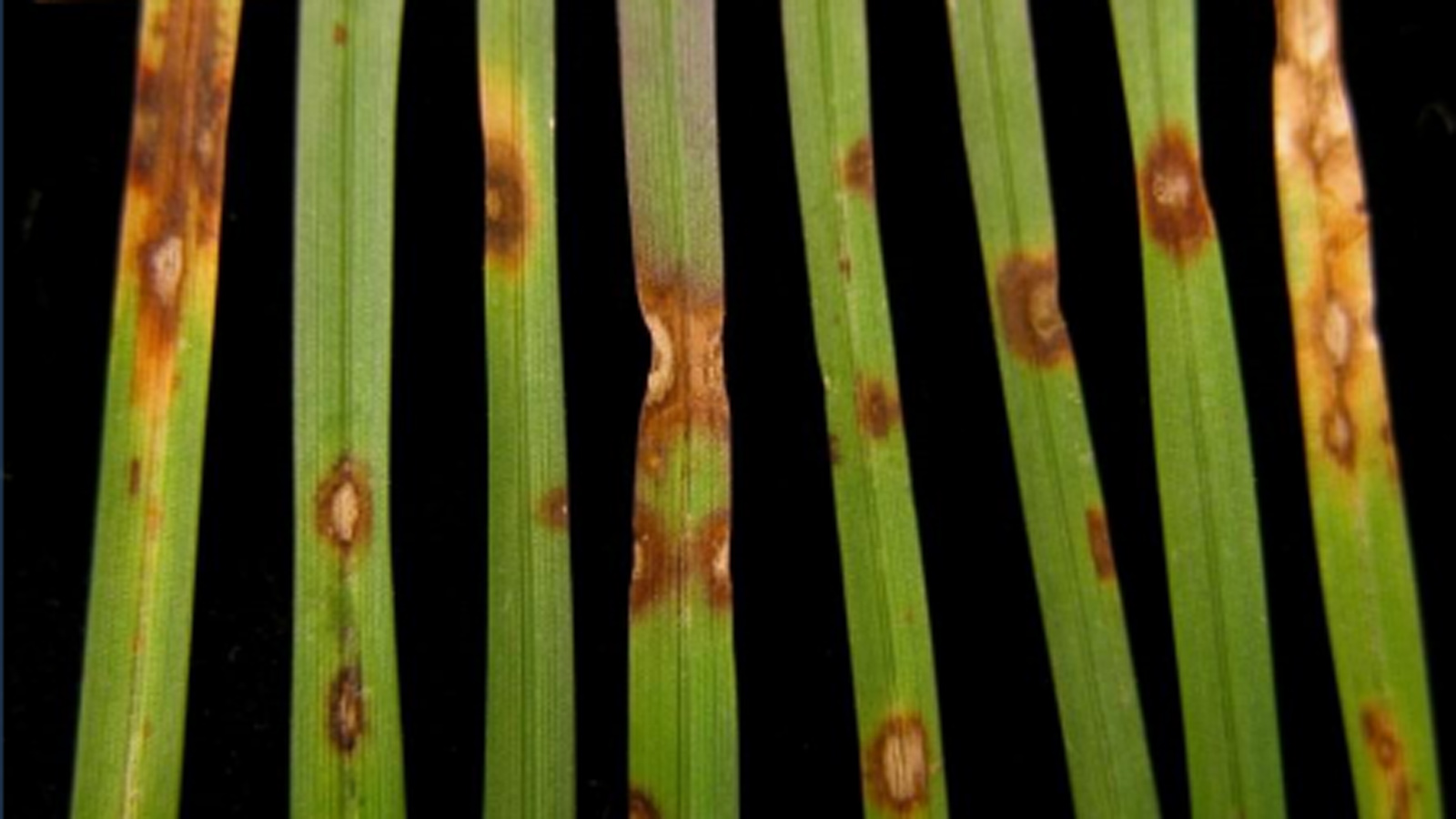
Ascochyta Leaf Blight Ascochyta leaf blight is a common but minor turfgrass disease plaguing Kentucky bluegrass, perennial ryegrass, tall and red fescues, and bentgrasses. It can be attacked by one of several species of the fungus Ascochyta. Extended periods of wet weather or frequent watering; followed by wet conditions or drought-stressed turf can cause Ascochyta. It […]
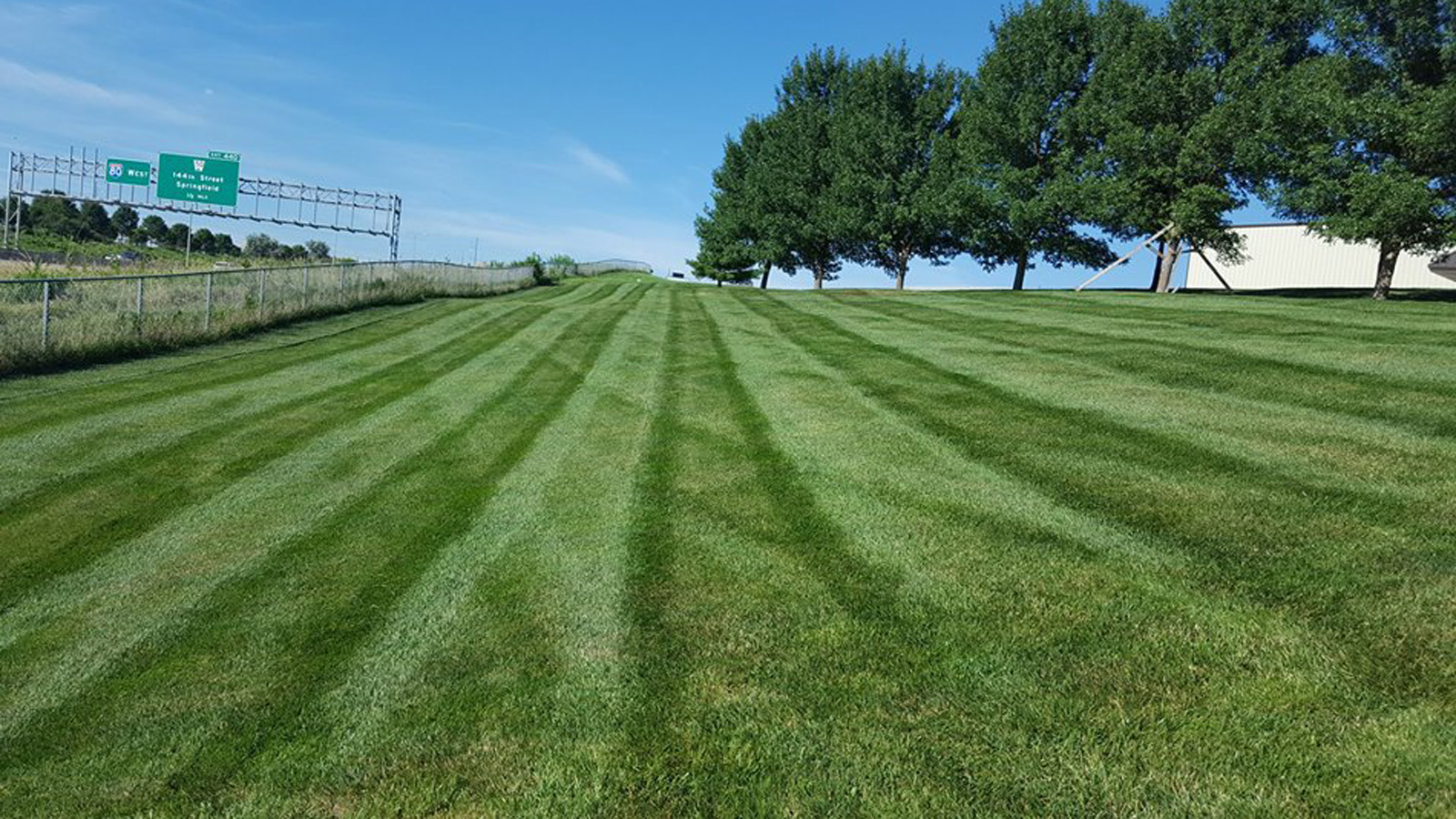
Lawn Facts Every day we walk over it, sit on it, play on it or just sit and watch it grow. Few of us, however, appreciate all that turf does to help us. Many of us take our turf for granted. Here are some fun lawn facts that may help us all to appreciate our lawns. […]

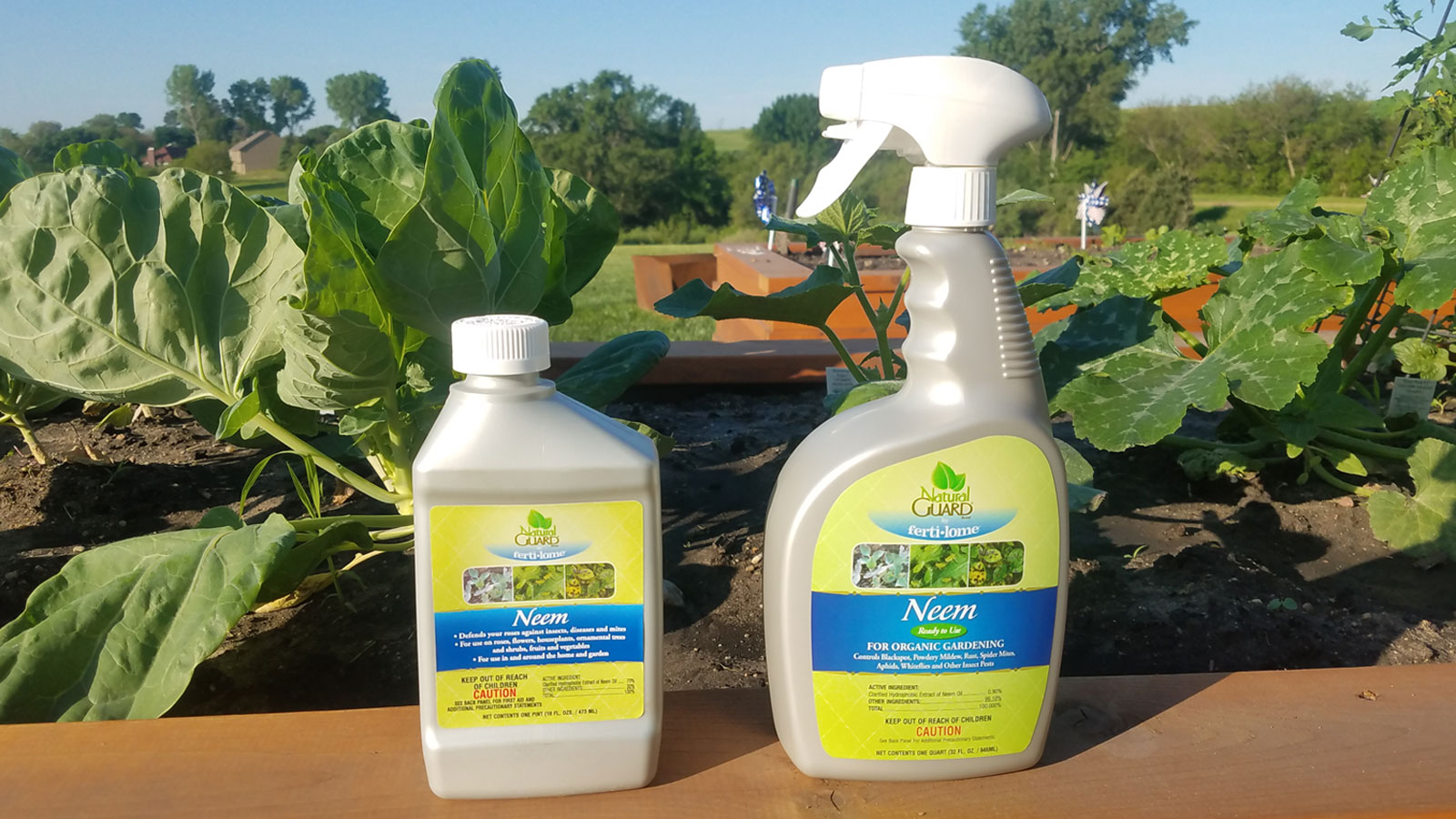
Neem Oil Spring is finally here! It’s finally time to enjoy the warmth from the sun, the green grass, green trees, and bugs. Wait a minute! Did we say bugs?! Along with joys of spring, come these pesky critters. How do we get rid of these harassing things? The answer is Neem Oil. Here at […]

Nimblewill When it comes to cultivating your lawn, not all grasses are created equal. We recently wrote about windmill grass and it’s time to talk about another pesky weed grass. Nimblewill is very easy to spot. It is a lighter green color than more preferable grass strands in the summer, matted brown in off season and […]

Leaf Spot and Melting Out Leaf spot and melting out are two fungal diseases of turfgrass. They are found within the “Helminthosporium” leaf, crown, and root disease complex. The leaf spot pathogen, Bipolaris sorokiniana, attacks bluegrasses, bentgrasses, ryegrasses, and fescues. Melting out, cause by Drechslera poae, is the most serious disease of Kentucky bluegrass and also occurs […]

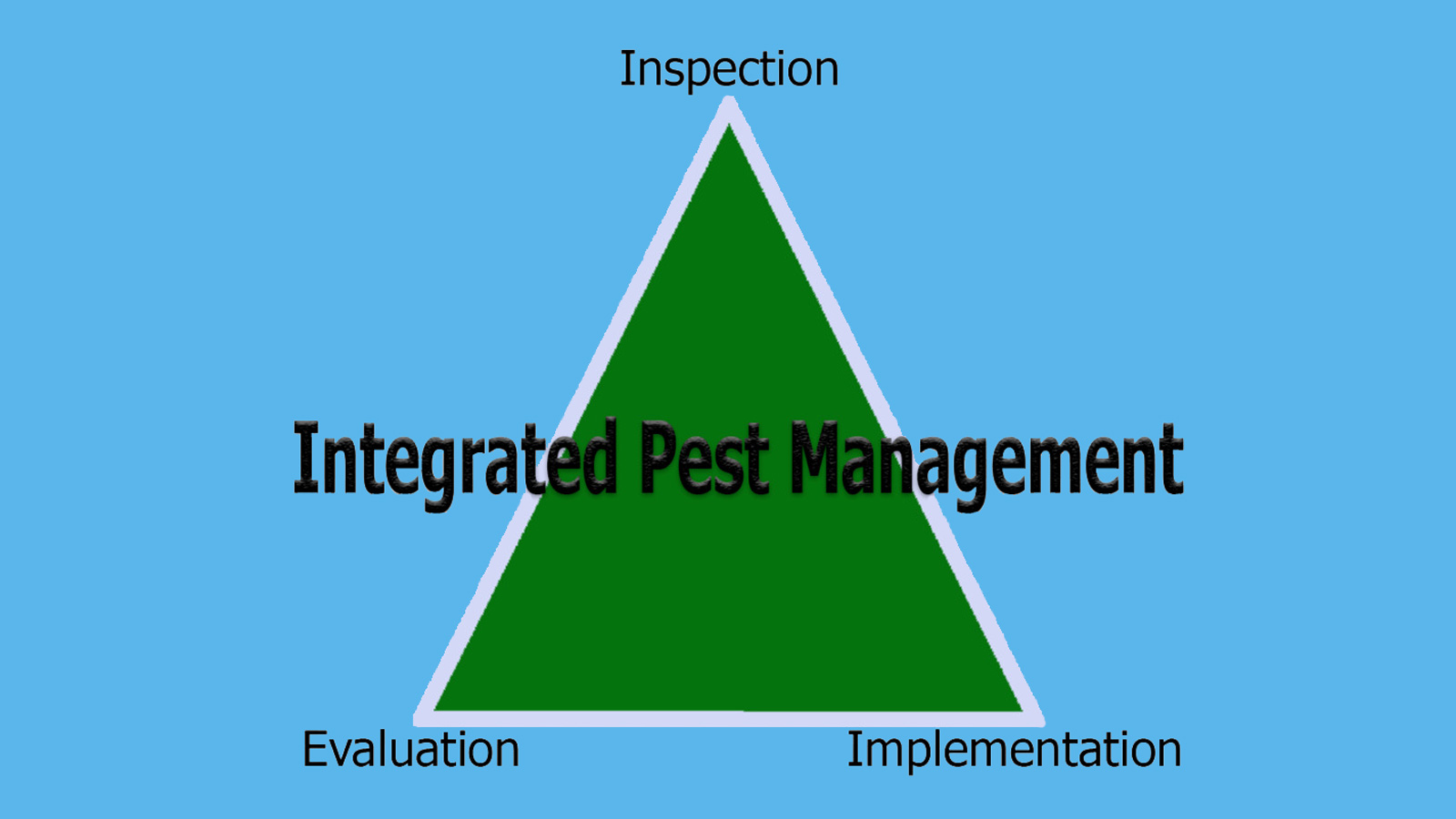
Integrated Pest Management (IPM) Integrated Pest Management (IPM) is an effective and environmentally sensitive approach to pest management. It is a program that relies on a combination of common-sense practices. Integrated pest management programs use current, comprehensive information on the life cycles of pests and their interaction with the environment. This information, in combination with […]

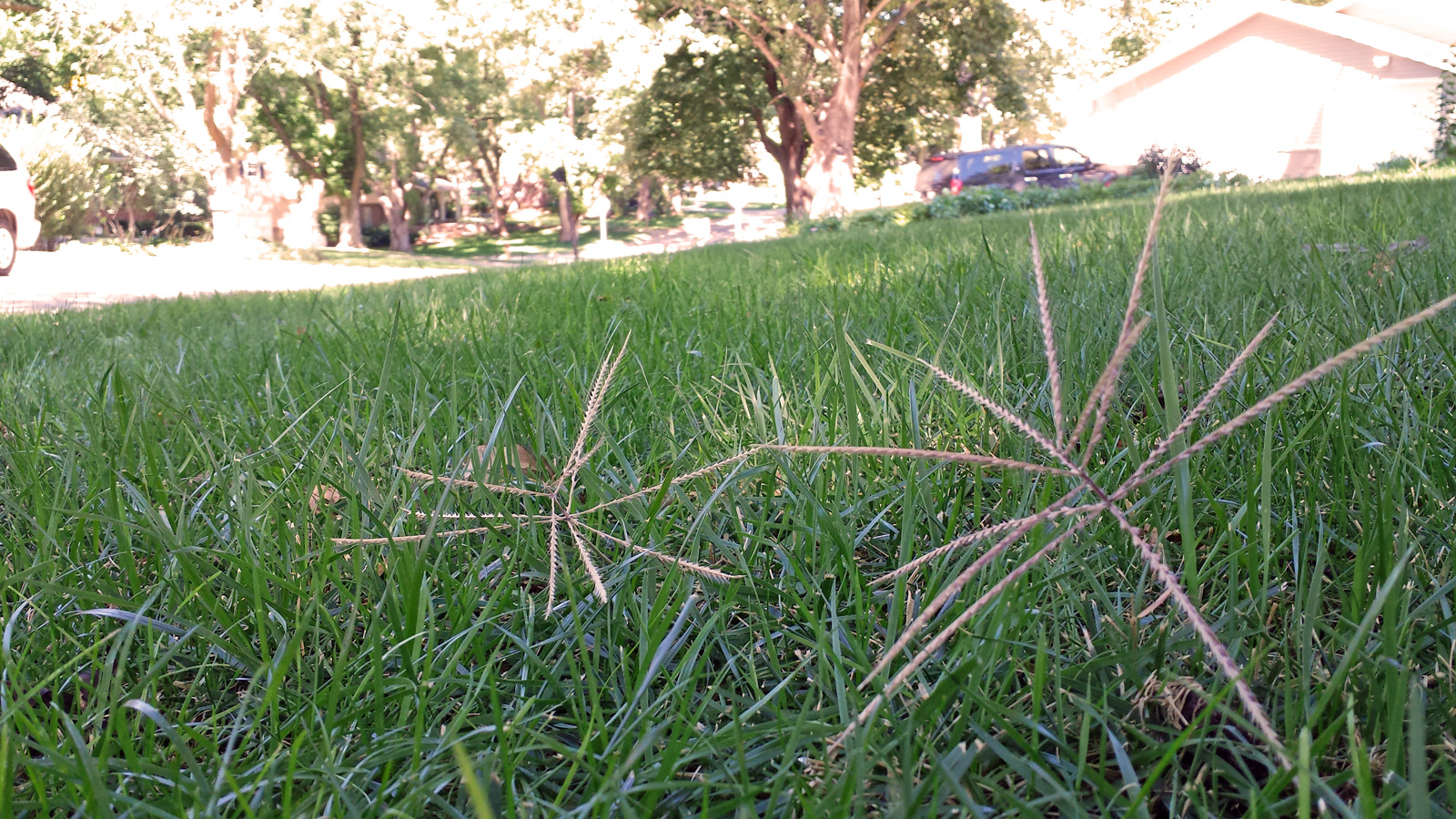
Windmill Grass If you’ve ever noticed tiny tumbleweeds and windmill-like coarse grasses popping up in your yard, then you’ve been a victim of windmill grass. This pesky weed grass is not picky about its soil types, seeds quickly, and disperses seeds in all directions. Unfortunately, this makes it difficult to contain. You can recognize windmill grass […]

Warm Season Grass Weeds In the previous blog, Types of Turfgrass Weeds, we told you that grasses have leaves with veins that turn parallel to each other and are two-ranked. We also classify these grass weeds by season; cool season and warm season. Here we share with you examples of warm season grass weeds and how to […]

Weed Management The best defense for weed management is a thick, well-managed turf. A vigorous turf will successfully compete with weeds for light, nutrients, and water. Weeds become established most readily in thin, weak stands of turf. Spraying weeds by itself does not usually produce satisfactory, long-term results. Although herbicides can be used in integrated weed control […]

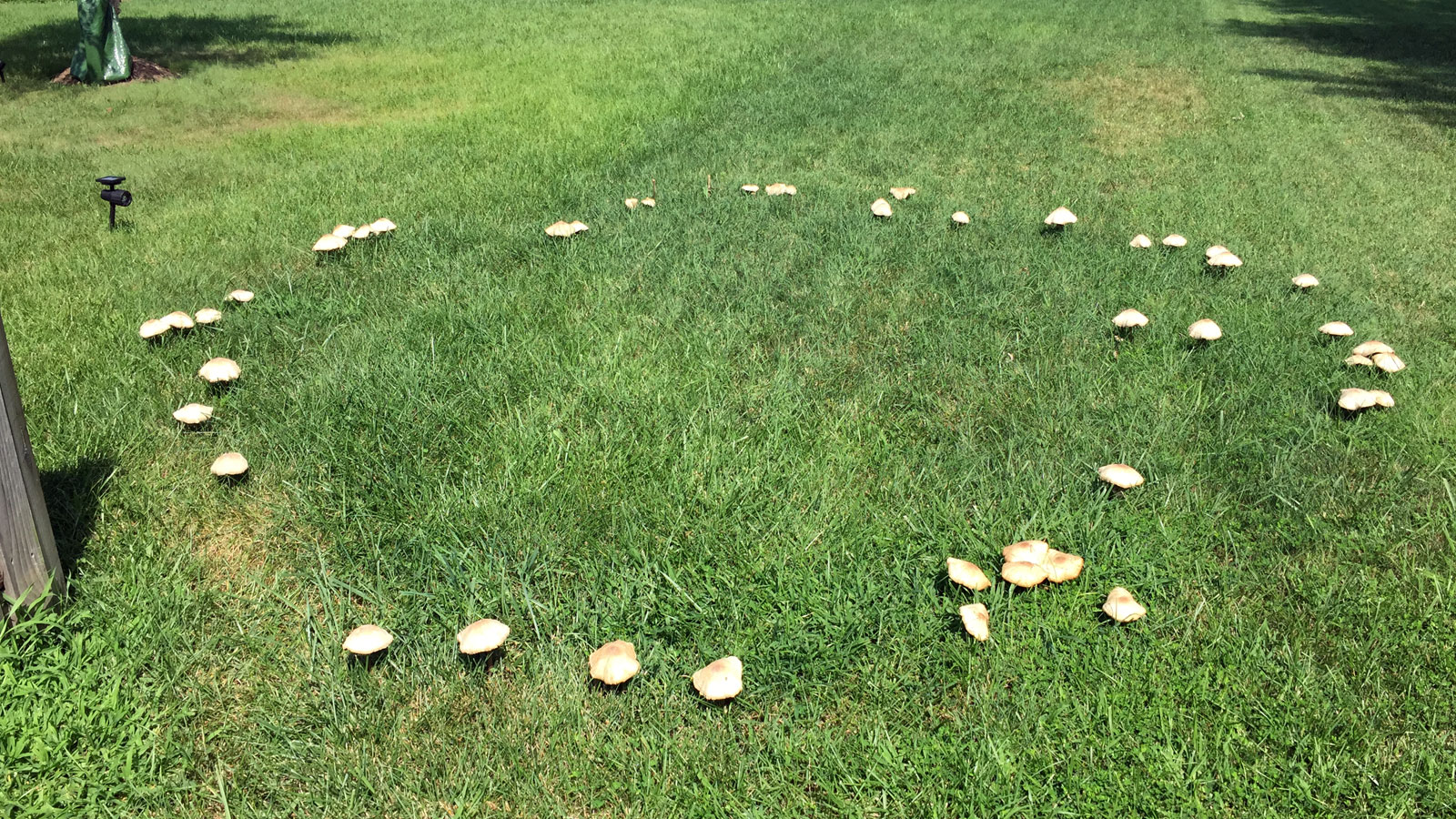
Fairy Ring/Mushrooms Mushrooms are related to smuts, rusts, and other pathogens, and as such, are members of a large group of organisms called fungi which are devoid of chlorophyll. These fungi are active in the decay of buried stumps and other bits of wood which can contribute to the formation of fairy rings. They appear […]

Red Thread The key components to outbreaks of red thread, caused by the fungus Laetisaria fuciformis, are cool moist conditions couples with slow grass growth. It is especially damaging to turf whose growth has been slowed because of low temperatures or low fertility. Red thread has become a serious problem on golf greens and fairways […]

Mowing Injury The mechanical grazing imposed by mowers is often responsible for mowing injury leading to unacceptable turf quality. By knowing how to properly identify mower injury and immediately correcting the problem, a healthier turf can be maintained. Scalping Removing too much of the turf canopy at one cutting can often result in stress and […]

Common Turf Mistakes Do you make these common turf mistakes? A lush, green lawn free from weeds and pests is what most of us want in our backyard.   On your quest for the perfect lawn, there might be some mistakes you are making along the way. Don’t let one of these common turf mistakes hinder […]

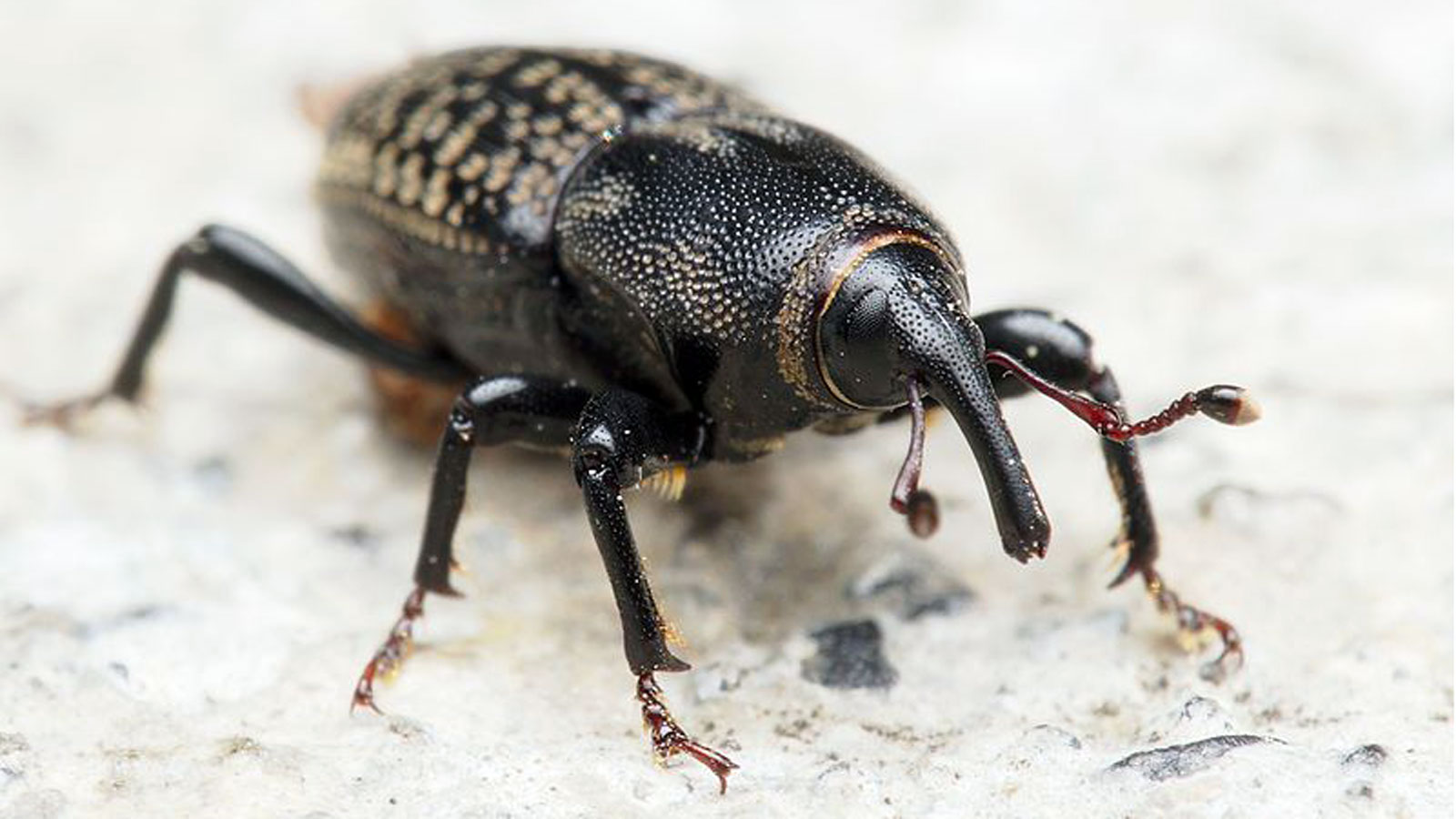
Billbugs Billbugs have been reported as serious pests of lawns and other turf areas since the late 1800s. Today, we know of at least eight turfgrass-damaging species. The most important of which are the bluegrass billbug, Sphenophorus parvulus, the hunting billbug, S. veatus, and the “Denver” billbug, S. cicatristiatus. We will focus on the Bluegrass […]

Nutrient Deficiency As turfgrasses are cultured for aesthetic reasons, only under extreme nutrient deficiency cases or fertility misapplications (i.e. not overlapping properly) do we actually see symptoms of nutrient deficiency. The typical turfgrass fertilizer contains nitrogen (N), phosphorus (P), and potassium (K). Subsequently, these three nutrients and iron (Fe) are the most common nutrients found […]

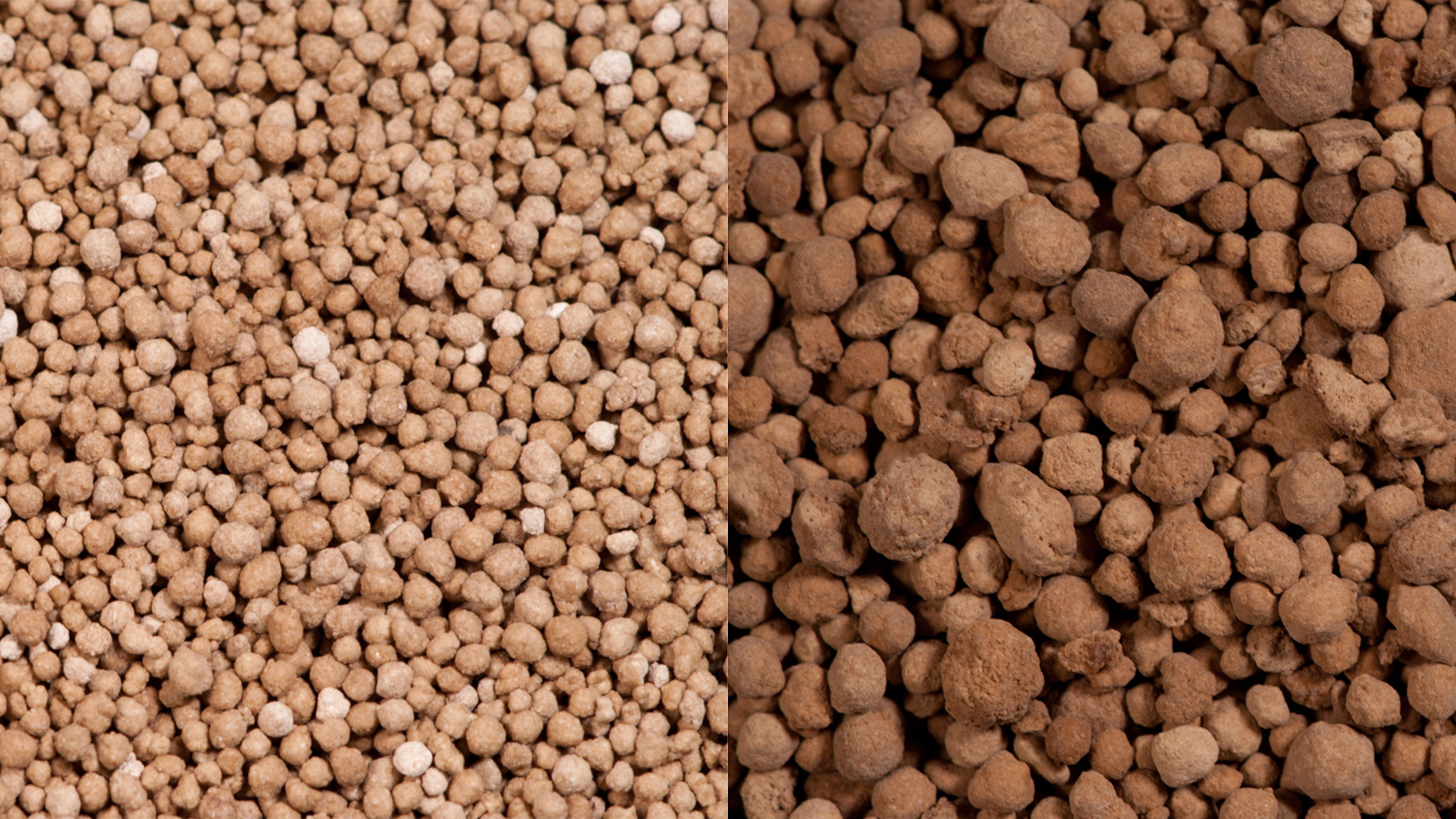
Gypsum vs Lime When it comes to lawn care and making sure your soil is healthy, you may hear the terms gypsum vs lime come up. Both are helpful amendments that can correct different nutrient levels that may harmful to your lawn and garden. But what are the differences? How do you know when to […]

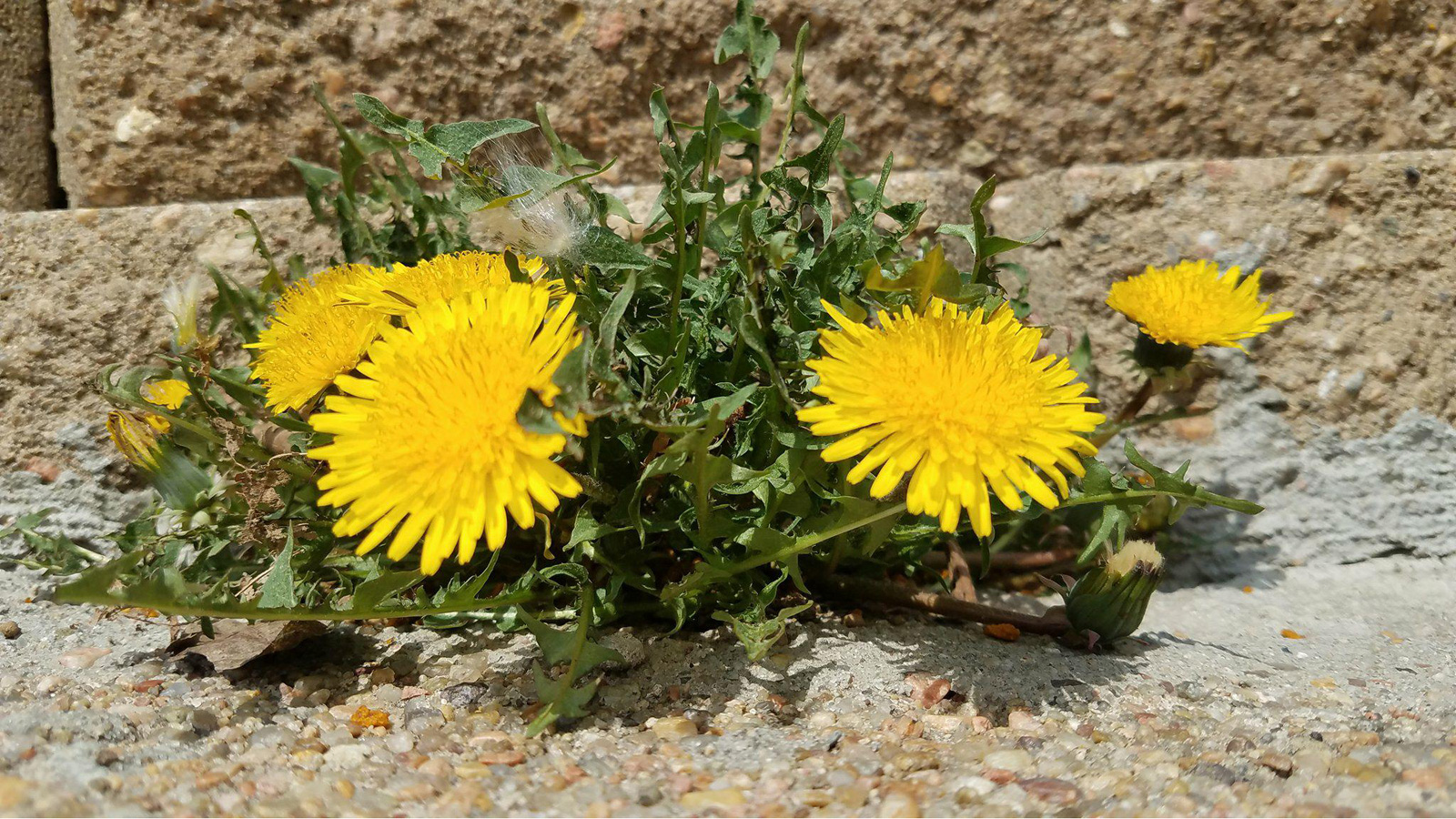
Broadleaf Weeds As you might remember in the Types of Turfgrass Weeds blog, we told you that broadleaf weeds have leaves with a network of veins which are divided, and generally have a solid stem and main root system. Flowers are usually conspicuous. Here is a little information on various broadleaf weeds you may find in […]

Turfgrasses Turfgrass species can be divided into two major groups: cool season and warm season. Turfgrasses vary depending on their soil temperature growth range. Cool season turfgrasses are the most widely used in the Norther Great Plains. These include Kentucky bluegrass, tall fescue, perennial ryegrass, fine fescues, and bentgrass. Cool season grasses grow best when soil […]

Why Does Turf Need Fertilizer? Ever wonder why we need to fertilize our turf? The most obvious answer is to increase turfgrass color, performance, and growth. Turfgrass is extremely responsive to nitrogen fertilizer. Even a small increase can have a big impact on turfgrass color and growth. This is because turfgrass is chronically nitrogen deficient. […]

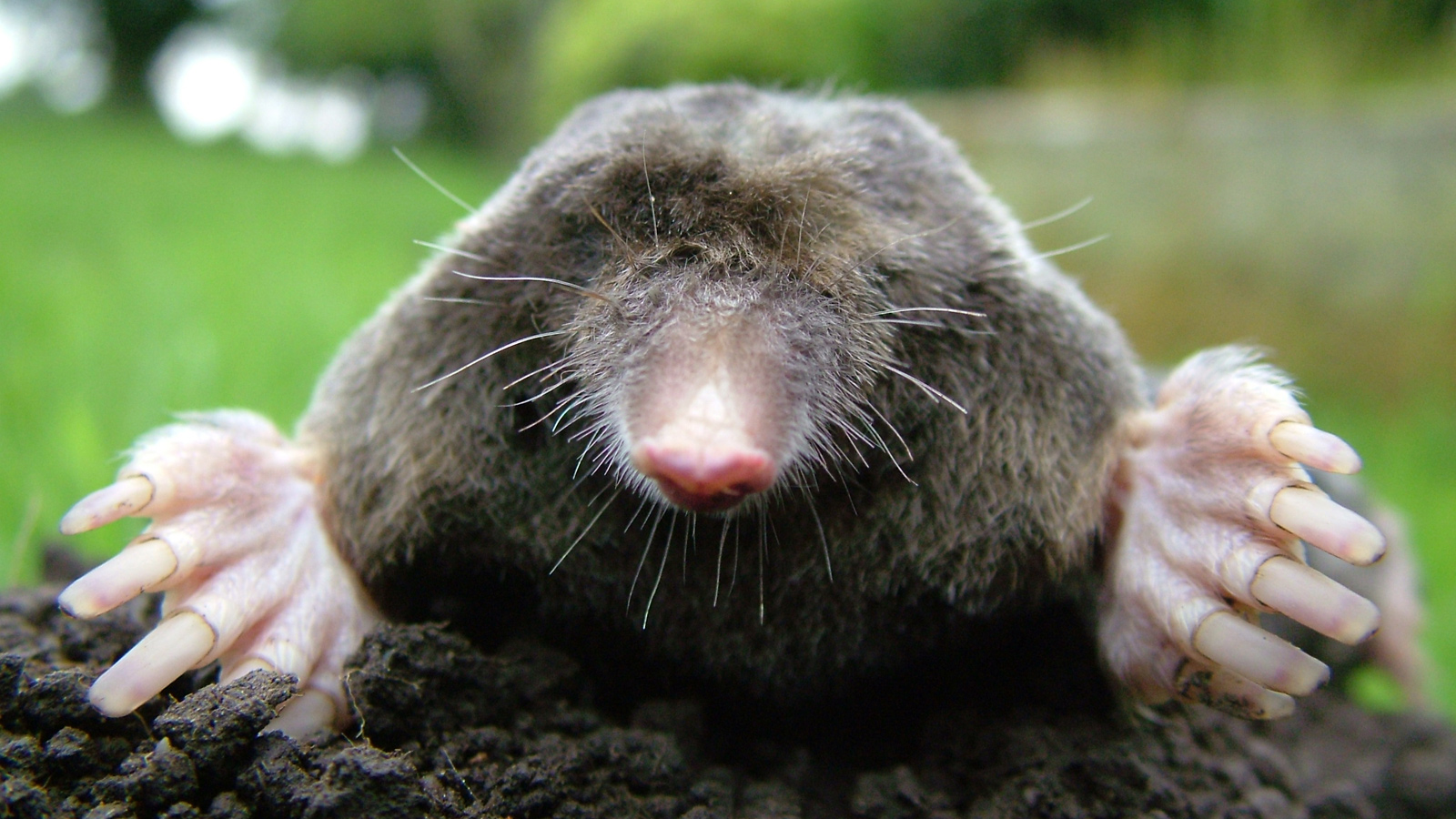
Moles We have all heard the saying, “Don’t make a mountain out of a molehill.” That can be difficult if we don’t even know what a mole or molehill looks like. Knowing more about moles can help you identify the damage and keep them from making molehills in your yard. About Moles Moles are interesting critters. For […]

Types of Turfgrass Weeds There are three types of Turfgrass weeds: grasses, broadleaves, and sedges. Grasses have leaves with veins that run parallel to each other and are two-ranked (on opposite sides of the stem). The stem is jointed and hollow and the root system is fibrous. Examples included crabgrass, goosegrass, and foxtail. Broadleaf weeds […]

Omaha Organics is excited to join the 11th Annual Omaha Health Expo! About Omaha Organics Omaha Organics realizes that going green is not just a fad, it’s the future. Our staff of experienced turf specialists bring their extensive knowledge of lawn products and maintenance strategies to every property. We are thrilled to share information on […]

Earth Day 2018 Earth Day 2018 is held on April 21, 2018 at Elmwood Park from 11 am – 6 pm. Come visit Omaha Organics Booth for Earth Day 2018. We’d love to share with you how we provide safe, natural and earth friendly products for your soil. This fun, informative, free event features exhibit […]

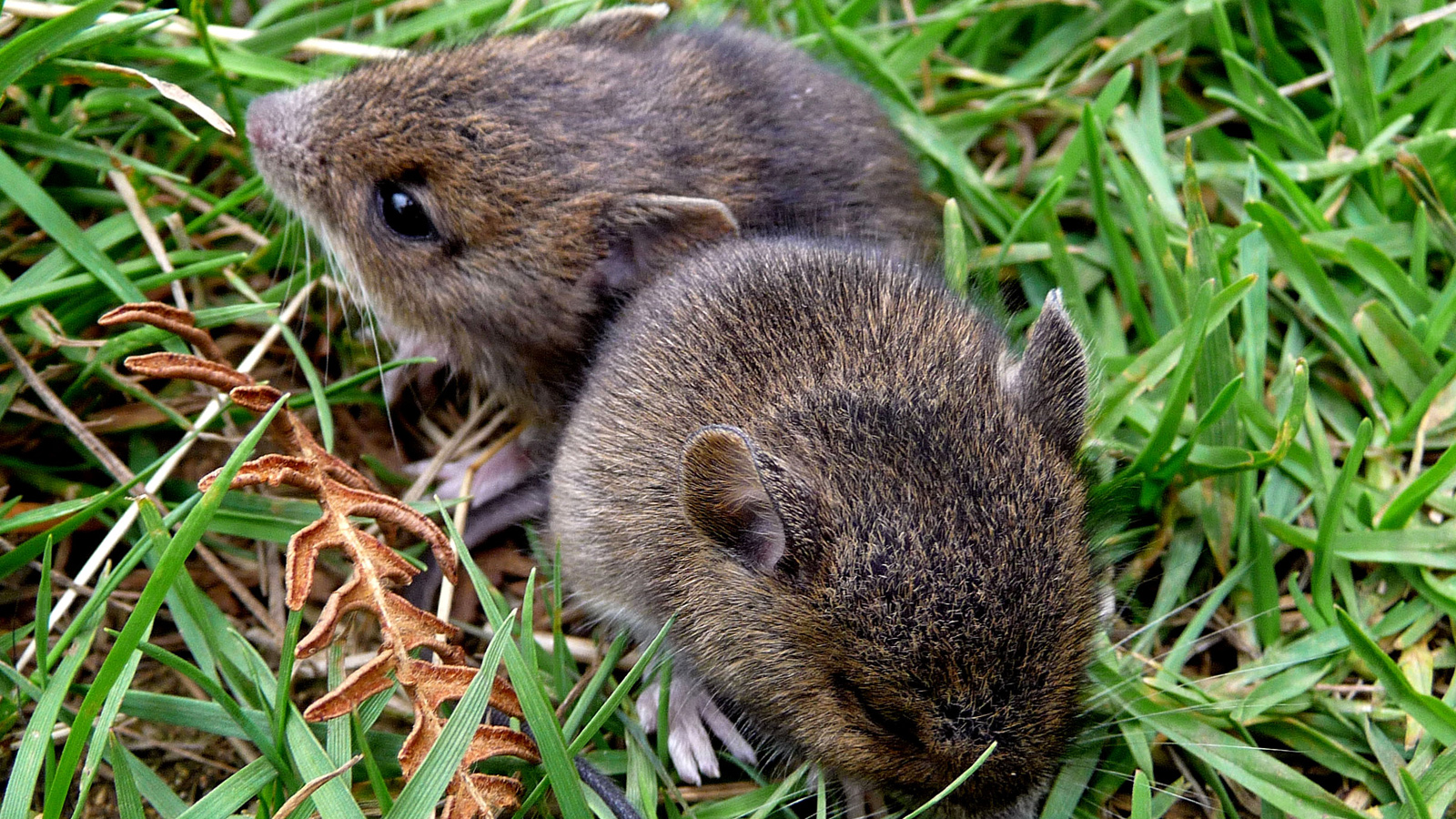
Voles The first rule of war is to know thy enemy. It may seem a little drastic to think about waging war again furry little voles, but once you have actually dealt with them then you understand. Find out about a common landscape villain, what they do, and how can keep your landscape from becoming […]

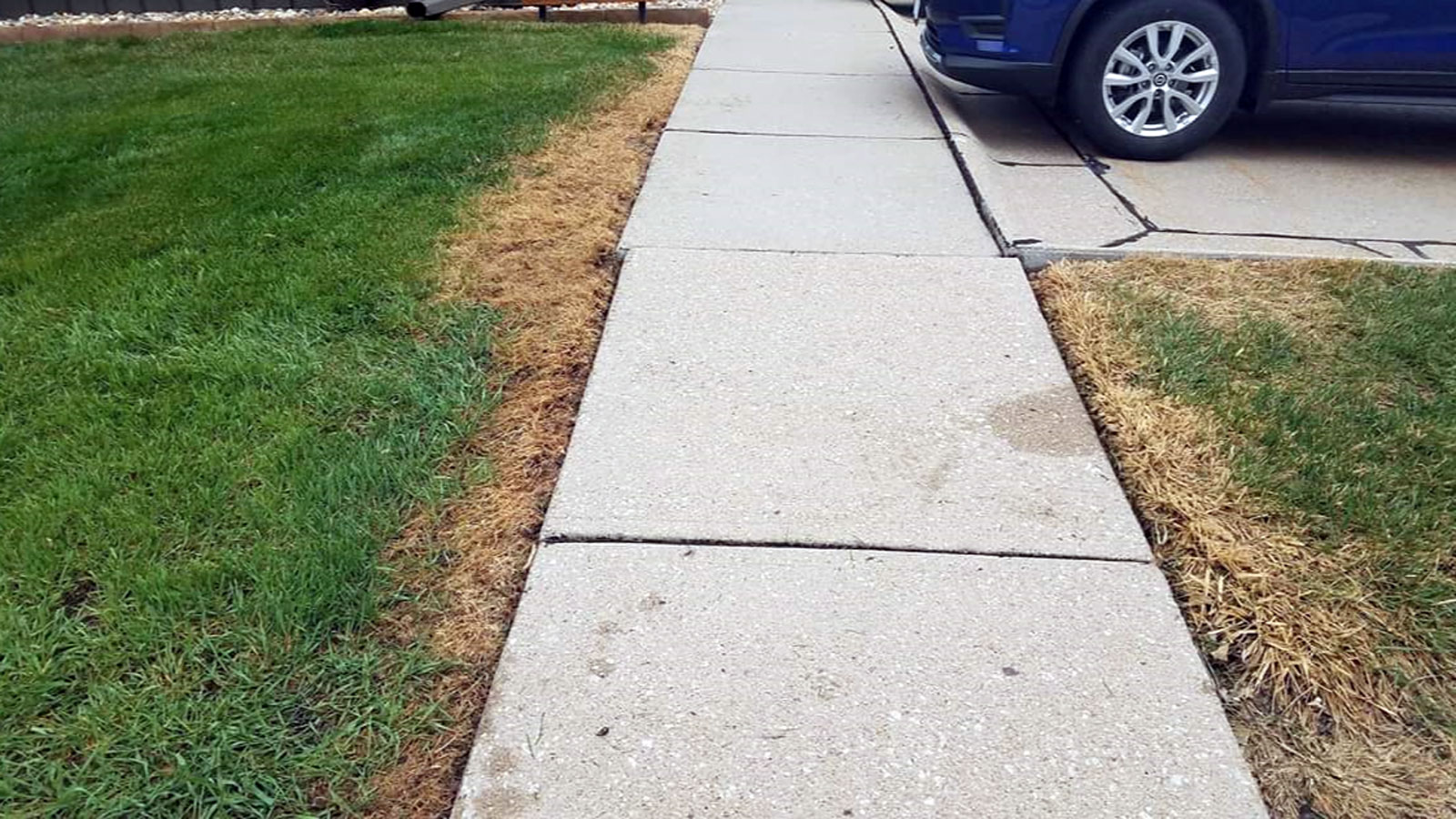
Chemical Injury Management of high-quality turf often requires chemical use. Along with the chemical application comes applicator chemical injury errors. This can result in turf damage. Pesticides Any pesticide applied to turfgrass to improve plant health (e.g. fungicides, herbicides, and insecticides) should always be applied in accordance with the product label. Many compounds used for turfgrass disease and […]